

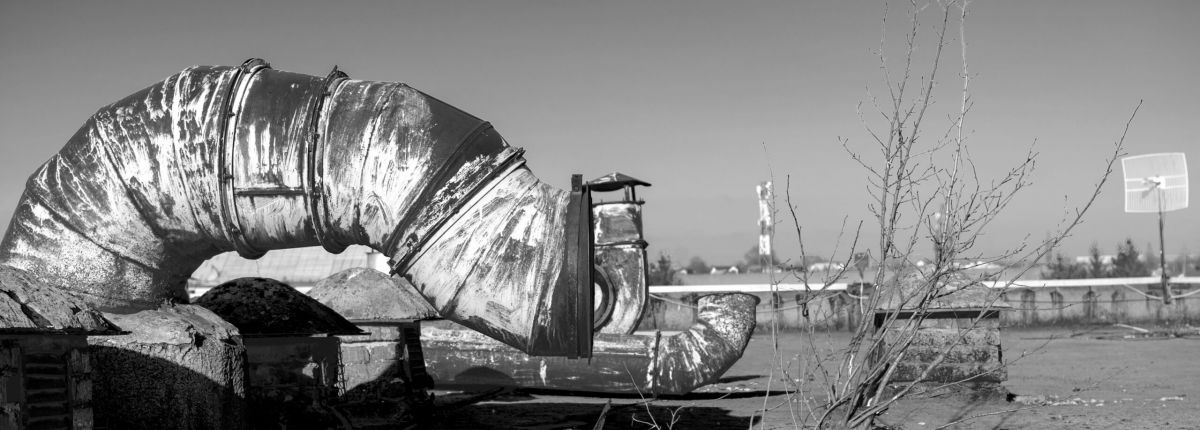
How Does Improper Ductwork Installation Affect Your HVAC System?
A common ductwork installation mistake, such as failing to properly seal ducts or using undersized ductwork, can reduce HVAC system performance by causing air leaks, restricting airflow, and lowering indoor air quality. Homeowners in Tulsa and surrounding communities can benefit from professional HVAC services to help identify and address these issues.
Why Proper Ductwork Installation Matters
Your ductwork is responsible for distributing heated and cooled air throughout your home. Even if your HVAC equipment is operating correctly, improperly installed ductwork can prevent the system from performing as intended. Small installation mistakes can affect airflow, energy efficiency, and overall indoor comfort.
Two of the most common ductwork installation mistakes are failing to seal duct connections properly and installing ducts that are too small for the amount of airflow the system requires. Both issues can create ongoing performance problems that may not be immediately noticeable but can become more apparent over time.
For homeowners in Tulsa, Oklahoma, ensuring that ductwork is installed correctly helps support consistent airflow and reliable HVAC system performance throughout the year.
How Air Leaks Reduce HVAC Performance
Poorly sealed ductwork allows conditioned air to escape before it reaches the intended rooms. As air leaks out through gaps or loose connections, the HVAC system must continue operating to maintain the desired indoor temperature.
Air leaks may contribute to:
-
Uneven temperatures between rooms
-
Reduced airflow from supply vents
-
Longer heating and cooling cycles
-
Increased strain on HVAC equipment
-
Lower indoor comfort
In addition to reducing efficiency, leaking ducts may also allow dust and other airborne particles to enter the duct system, which can affect indoor air quality.
Professional HVAC services can inspect ductwork for leaks and determine whether sealing or repairs are needed to improve system performance.
Why Undersized Ductwork Can Restrict Airflow
Another common installation mistake is using ductwork that is too small for the HVAC system. Every heating and cooling system is designed to move a specific amount of air. If the ductwork cannot accommodate that airflow, the system may struggle to distribute air efficiently.
Restricted airflow can lead to uneven temperatures throughout the home and make it more difficult for the HVAC system to maintain consistent comfort. Certain rooms may feel warmer or cooler than others because they are not receiving adequate airflow.
An HVAC professional evaluates the size and layout of the duct system to determine whether it properly matches the equipment installed in the home. Correct duct sizing helps the entire system operate more effectively.
How Ductwork Problems Can Affect Indoor Air Quality
Improperly installed ductwork may also influence indoor air quality. Leaks in the duct system can allow dust, insulation particles, or other contaminants from attics, crawl spaces, or wall cavities to enter the airflow before it reaches living spaces.
Although many indoor air quality concerns have multiple contributing factors, damaged or poorly sealed ductwork can be one of them. Addressing duct installation issues may help reduce unwanted contaminants circulating through the HVAC system.
Homeowners in Tulsa, Oklahoma who notice excessive dust, inconsistent airflow, or comfort issues may benefit from having their ductwork professionally inspected as part of a complete HVAC evaluation.
When Should Ductwork Be Professionally Evaluated?
Many ductwork problems develop gradually and may not be obvious without an inspection. While HVAC equipment often receives the most attention, the duct system is equally important because it delivers conditioned air throughout the home.
A professional evaluation may be appropriate if you notice:
-
Certain rooms are consistently warmer or cooler than others.
-
Airflow from vents seems weak.
-
Your HVAC system runs longer than expected.
-
Indoor comfort varies throughout the home.
-
You suspect air may be leaking from the duct system.
An HVAC technician can inspect the ductwork, identify installation concerns, and recommend appropriate solutions based on your home’s specific layout and system requirements.
Properly sealed and correctly sized ductwork supports better airflow, improves indoor comfort, and helps your HVAC system operate more effectively without unnecessary restrictions.
FAQ
Can leaking ducts make some rooms less comfortable?
Yes. Air leaks can reduce the amount of conditioned air reaching certain rooms, resulting in uneven temperatures and inconsistent comfort throughout the home.
How do professionals check for ductwork problems?
HVAC technicians inspect the duct system for leaks, damaged connections, airflow restrictions, and sizing concerns to determine whether installation issues are affecting system performance.
Does improperly sized ductwork affect heating and cooling?
Yes. Undersized ductwork can restrict airflow, making it harder for the HVAC system to distribute heated or cooled air evenly throughout the home.
Can ductwork issues affect indoor air quality?
Yes. Leaks in ductwork may allow dust and other airborne particles to enter the system, which can contribute to reduced indoor air quality over time.
How Does Improper Ductwork Installation Affect Your HVAC System?
A common ductwork installation mistake, such as failing to properly seal ducts or using undersized ductwork, can reduce HVAC system performance by causing air leaks, restricting airflow, and lowering indoor air quality. Homeowners in Tulsa and surrounding communities can benefit from professional HVAC services to help identify and address these issues.
Conclusion
Common ductwork installation mistakes, including poorly sealed ducts and undersized ductwork, can reduce HVAC system performance by allowing air leaks, restricting airflow, and affecting indoor air quality. Identifying these issues early can help improve comfort and support more efficient system operation.