

What Does an Indoor Air Quality Technician Do?
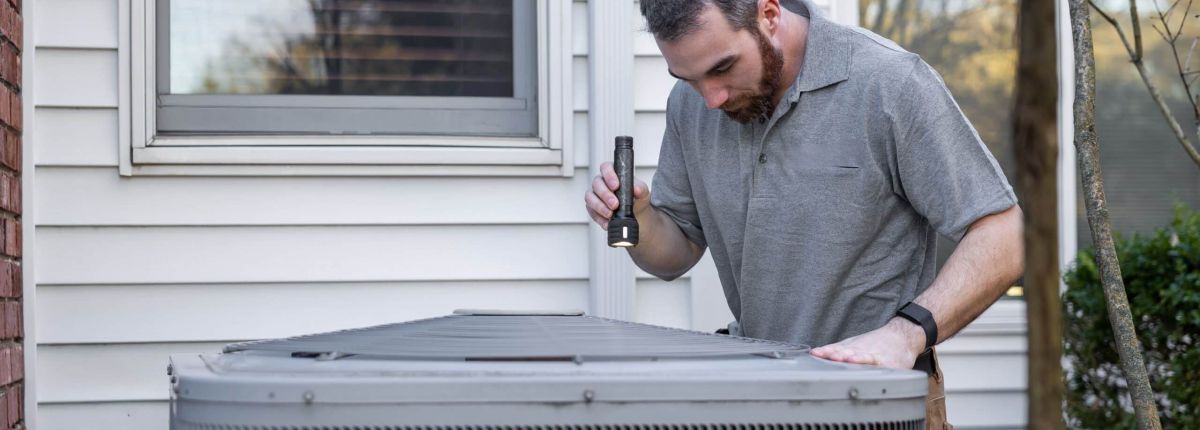
An indoor air quality technician evaluates the air inside a home or building, identifies issues that may affect health and comfort, and recommends solutions to improve air quality. These professionals assess factors such as ventilation, airborne contaminants, humidity levels, and HVAC system performance to help create a healthier indoor environment.
How Does an Indoor Air Quality Technician Evaluate Indoor Air?
An indoor air quality technician focuses on identifying conditions that may negatively affect the air people breathe indoors. Their primary role is to evaluate indoor environments, determine potential air quality concerns, and recommend practical solutions.
The evaluation process often includes examining several factors that influence indoor air quality, including:
-
Airflow and ventilation
-
Humidity levels
-
Dust and airborne particles
-
Potential contaminants
-
HVAC system operation
-
Air filtration effectiveness
By assessing these areas, technicians can develop a clearer understanding of what may be affecting indoor comfort and air quality.
What Problems Can an Indoor Air Quality Technician Identify?
Indoor air quality technicians are trained to recognize conditions that may contribute to unhealthy indoor environments. While every property is different, certain issues are commonly found during inspections and evaluations.
Examples of concerns they may identify include:
-
Poor ventilation that limits fresh air circulation
-
Excess moisture that can create uncomfortable indoor conditions
-
Dust buildup within HVAC systems
-
Inefficient air filtration
-
Airflow imbalances between rooms
-
Indoor pollutants that affect overall air quality
Once these issues are identified, the technician can explain the findings and recommend appropriate steps to improve indoor conditions.
For homeowners in Tulsa, Oklahoma, where homes experience both hot summers and cooler winters, maintaining proper indoor air quality is often closely connected to HVAC system performance throughout the year.
How Do Indoor Air Quality Technicians Help Create Healthier Indoor Environments?
Indoor air quality technicians do more than identify problems. They also provide recommendations designed to improve indoor air quality and overall comfort.
Depending on the situation, recommendations may involve:
-
Improving ventilation
-
Adjusting humidity levels
-
Replacing or upgrading air filters
-
Cleaning HVAC components
-
Addressing airflow issues
-
Evaluating air purification options
The goal is to create an indoor environment that supports better air circulation and cleaner air throughout the home or building.
An important part of their work involves helping property owners understand how HVAC systems influence indoor air quality. Heating and cooling equipment can play a significant role in moving air throughout a building, making proper maintenance an important factor in maintaining healthy indoor conditions.
What Training Does an Indoor Air Quality Technician Receive?
Indoor air quality technicians receive specialized training that focuses on evaluating indoor environments and identifying air quality concerns. In some cases, home inspectors pursue certification as indoor air quality technicians through additional training programs.
These training programs may cover topics such as:
-
Indoor air contaminants
-
Ventilation systems
-
Air sampling methods
-
Humidity control
-
HVAC system fundamentals
-
Indoor environmental assessments
Training programs can often be completed in a relatively short period, allowing qualified professionals to expand their expertise in indoor air quality evaluation.
For residents and businesses in Tulsa, Oklahoma, working with trained professionals can provide valuable insight into factors that may be affecting indoor air quality and comfort.
Why Is Indoor Air Quality Connected to HVAC Systems?
Indoor air quality and HVAC performance are closely related because heating and cooling systems continuously circulate air throughout a property.
When HVAC systems are operating efficiently, they can help support:
-
Consistent airflow
-
Effective filtration
-
Balanced humidity levels
-
Improved indoor comfort
Conversely, HVAC issues can sometimes contribute to poor indoor air quality. Restricted airflow, dirty filters, or inadequate ventilation may affect the quality of the air circulating through a building.
This is why indoor air quality technicians often evaluate HVAC components as part of a comprehensive assessment. Understanding how these systems function together helps identify opportunities to improve indoor conditions.
FAQ
What is the primary job of an indoor air quality technician?
An indoor air quality technician evaluates indoor air conditions, identifies potential air quality concerns, and recommends solutions that support a healthier and more comfortable indoor environment.
Do indoor air quality technicians inspect HVAC systems?
Yes. HVAC systems are often evaluated because they play a major role in airflow, filtration, ventilation, and overall indoor air quality throughout a home or building.
Can poor ventilation affect indoor air quality?
Yes. Inadequate ventilation can reduce fresh air circulation and contribute to indoor air quality concerns, making proper airflow an important part of maintaining healthy indoor environments.
Do indoor air quality technicians recommend solutions?
Yes. After identifying potential issues, technicians typically recommend practical measures that may help improve indoor air quality, comfort, and HVAC system performance.
FAQ: https://prothermalhvac.com/faqs/#what-does-an-indoor-air-quality-technician-do
Conclusion
Indoor air quality technicians evaluate indoor air quality, identify conditions that may affect health and comfort, and recommend solutions that support healthier indoor environments. Their work often includes assessing ventilation, humidity, airborne contaminants, and HVAC system performance to better understand indoor air conditions.