
Top Signs Your Tulsa AC Needs Repair Before It Breaks Down Completely

If your AC struggles during Tulsa’s hot summers, it’s best not to wait until it breaks down. Acting early can help you avoid extra expenses and stress. If you notice things like uneven airflow or higher energy bills, your system likely needs attention soon. 

This guide will show you the main warning signs, common AC problems, and how expert inspections can keep you comfortable while saving money.

Warning Signs You Need AC Repair in Tulsa, OK

Oklahoma summers put a lot of pressure on AC systems. If you ignore small problems, they can quickly become bigger issues. According to the U.S. Department of Energy and ENERGY STAR guidelines, neglected AC systems can lose up to 5% of efficiency per year. You can read more in their Heating and Cooling Guide. Getting timely service helps your system stay efficient year after year.

Here are the most common signs that your AC needs professional attention:

  • Weak or Uneven Airflow: If some rooms feel warm while others are cool, it could be a sign of duct leaks, a failing blower motor, or clogged filters.
  • Warm Air from Vents: Your AC may be running, but if the air isn’t cold, you may be facing refrigerant issues or compressor problems.
  • Unusual Noises: Grinding, squealing, or rattling sounds often indicate mechanical wear that shouldn’t be ignored.
  • Short Cycling: Frequent on-and-off cycling may signal electrical issues, thermostat malfunctions, or an oversized system.
  • Rising Energy Bills: Even slight inefficiencies can significantly increase consumption over time.
  • Excess Humidity Indoors: Tulsa’s humid climate can make this particularly noticeable. AC systems struggling to remove moisture may need repairs.
  • Water Leaks or Ice Formation: Condensate drain issues or refrigerant imbalances can lead to leaks or ice buildup inside the unit.

If you notice any of these signs, call Tulsa air conditioning repair experts right away. Trying to fix it yourself can make the problem worse and end up costing you more.

Why Timely AC Repair Prevents Bigger, Costlier Problems

Ignoring early signs can turn a simple repair into a need for a new system.

  • A minor refrigerant leak left unaddressed can overwork the compressor, eventually causing a total system shutdown.
  • Dirty coils reduce heat exchange efficiency, leading to overheating and potential breakdown.

Getting your AC checked early helps you avoid emergency repairs and keeps your system running efficiently, which saves you money.

Expert AC Troubleshooting in Tulsa, OK: A Real-World Example

Take Allison Reinking’s situation as an example. When her AC suddenly stopped working, she didn’t know what repairs would be needed, and the intense Tulsa heat made things even more stressful.

When Daniel R from Prothermal Heating and Cooling arrived, he quickly diagnosed the issue, replaced the necessary parts, and offered advice for ongoing maintenance. Allison shared, “Daniel came out promptly, did a thorough check, replaced needed parts, and gave us advice on future care and maintenance.” You can read her full review here.

Why Professional AC Inspections & Repair Are Essential

Licensed HVAC professionals in Tulsa have the skills and knowledge needed to do repairs and maintenance the right way. They use the right tools and follow all the proper standards.

  • Refrigerant Handling: Only certified technicians can legally handle refrigerants in compliance with EPA 608 regulations. Learn more about EPA regulations here.
  • Electrical Diagnostics: Proper tools and training prevent safety hazards when dealing with circuits and compressors.
  • Compliance with Oklahoma Codes: Licensed professionals ensure your system meets all mechanical and safety standards.

Professional residential AC service in Tulsa also provides:

  • Safety: Avoid electrical shocks, refrigerant exposure, and fire risks.
  • Warranty Protection: Unauthorized DIY repairs can void equipment warranties.
  • Long-Term System Performance: Preventive maintenance and early repairs prolong the life of your unit.

Local experts understand Tulsa’s climate and can help your AC run all year long efficiently.

Efficient Cooling, Lower Bills: Get Smart AC Solutions in Tulsa

Our certified technicians are trained in advanced diagnostics and repairs. As a locally owned Tulsa company, Prothermal Heating and Cooling offers expert advice, quick response times, maintenance plans, and reliable AC services tailored to your needs.


Don’t wait for your AC to break down. Contact Tulsa’s trusted AC professionals now to protect your comfort and your investment.


FAQS

What are the early warning signs that my Tulsa AC needs repair?

Watch for reduced airflow, uneven cooling, odd noises, higher energy bills, or strange smells. These signs often show up before your AC breaks down completely.

How do strange noises indicate an AC problem?

Rattling, banging, or squealing sounds can signal loose parts, worn-out components, or motor issues that need immediate attention.

Can uneven cooling in my home mean my AC is failing?

Yes, hot or cold spots in different rooms often point to duct issues, low refrigerant, or failing components.

What do higher-than-normal energy bills say about my AC?

A sudden spike in energy costs may indicate your AC is working harder than it should due to inefficiency or underlying problems.

How often should I schedule AC maintenance to prevent breakdowns?

Annual maintenance is recommended, ideally before the summer heat, to catch small issues before they become major repairs.

Are unusual odors from the AC a sign of needed repairs?

Yes, musty or burning smells can indicate mold growth, clogged drains, or electrical issues that require professional inspection.

When should I call a professional before my AC completely stops working?

If you notice any warning signs, such as poor cooling, strange noises, or odors, calling a licensed Tulsa AC technician promptly can prevent a full system failure.


Emergency AC Repair in Tulsa: Stay Cool During the Summer Heatwave

When your AC fails during a heatwave, it’s more than inconvenient, it’s urgent. Recognizing emergency AC repair needs in Tulsa, OK, protects your family and property. Indoor temperatures can rise to unsafe levels quickly. That’s why we outline urgent warning signs, common emergencies, and what steps to take, based on AC technicians’ experience in Tulsa.

Signs You Need Emergency AC Repair in Tulsa, OK

Oklahoma summers keep getting hotter. Extreme heat strains HVAC systems, and a sudden breakdown can quickly become an emergency, especially for children, seniors, and pets.

Here are the most common signs you may need same-day AC repair in Tulsa, OK:

  • No Cold Air from the AC Unit
    If your system is running but the air feels warm, it could mean there’s a problem with the compressor (the part that helps cool the air) or that the refrigerant (the special cooling fluid) is low.
  • Refrigerant Leak Signs
    Hearing hissing, seeing ice on the coils (the pipes that help cool the air), or smelling a chemical odor can mean your system is leaking refrigerant (the cooling fluid). This should be fixed right away.
  • AC Unit Making Strange Noises
    Banging, buzzing, or rattling sounds are not normal and often mean that parts inside your air conditioner are loose or failing.
  • System Won’t Turn On
    If your system does not respond at all, it could be due to an electrical problem or a burned-out compressor (the part that cools your air).
  • Frozen AC Coils
    Ice buildup usually indicates airflow problems or low refrigerant levels. Using your system in this condition can cause serious damage.
  • High Indoor Humidity
    Your AC should help control humidity. If your home feels sticky, your system may not be working properly.
  • Sudden Spikes in Energy Bills
    If your AC struggles, it draws more energy and increases your bills. According to the U.S. Energy Information Administration (EIA), air conditioning accounts for about 12% of U.S. home energy use, and even more in hot areas like Central Oklahoma. (Source: EIA).
  • Unusual Odors
    If you smell something burning, it could be a wiring problem. Musty smells may indicate mold in your system.
  • Poor Airflow
    Weak airflow (not enough air coming out of the vents) can be a sign of duct problems (issues with the air pipes) or a broken blower motor (the part that pushes air through your system).
  • Short Cycling
    If your system keeps turning on and off frequently (called short cycling), it is under stress and could stop working altogether.

Ignoring these signs can cause system failure, higher repair costs, and safety risks. If you see urgent problems, call for immediate air conditioning repair in Tulsa before the situation worsens.

So What Should You Do While You Wait for Help?

Same-day AC repair in Tulsa, OK, is vital during peak heat. Take these steps to stay safe and comfortable until help arrives.

  • Close Curtains and Shades
    Close curtains or blinds to block direct sunlight and help keep your home cooler. Even basic blinds can make a difference.
  • Use Fans Strategically
    Set ceiling fans to spin counterclockwise and use box fans to create a breeze. The CDC notes that fans are most effective when indoor temperatures are below 90°F; otherwise, fans may increase discomfort. (Source: CDC)
  • Stay Hydrated
    Drink water often, even if you are not thirsty. It is easy to get dehydrated when it is hot.
  • Limit Appliance Use
    Avoid ovens, dryers, or heat-making appliances during the hottest parts of the day.
  • Use Cooling Towels or Cold Packs
    Put cooling towels or ice packs on your neck or wrists to cool off quickly.
  • Stay in Lower Levels
    Heat rises, so basements or shaded rooms are usually cooler places to stay.
  • Visit Public Cooling Spaces
    If your home gets too hot, go to a library, a mall, or a community center for relief.

These steps offer temporary relief but won’t solve the problem. HVAC emergencies need quick, professional attention. Licensed technicians can diagnose and fix the issue, preventing further damage. After these steps, contact a qualified expert immediately.

When you need emergency HVAC repair in Tulsa, OK, picking the right company matters. Not all providers deliver equal quality, especially in summer.

Here’s what you should look for:

  • Certification and Licensing
    Make sure technicians meet Oklahoma licensing requirements.
  • Experience
    Choose a team with experience handling all types of AC repairs, not just minor ones.
  • Customer Reviews
    Reading real customer reviews can help you understand a company’s quality and professionalism.
  • Emergency Response Time
    Top companies respond within 1 to 3 hours. Fast help is essential during heat waves.

Urgent Air Conditioning Repair in Tulsa, OK

It’s late afternoon, your AC stops, and your home heats up. You don’t know what’s wrong or how long repairs will take. Tulsa homeowner Les Johnston went through the same uncertainty. He shared his experience with Prothermal Heating and Cooling in a Google review.

When our technician arrived, he focused on both fixing the system and clearly explaining the problem. He described the issue simply and avoided technical language. As Les shared, “It was clearly obvious he knew exactly what he was doing and was great at explaining things without talking over my head.” You can read his full review here.

The result was a cool home, and Les felt confident about future service. Experiences like this show what you should expect: clear answers, respectful service, and reliable results.

Pro Tips for Avoiding Future Emergency AC Breakdowns

The best way to handle AC emergencies is to prevent them. Maintaining your system saves money and avoids discomfort.

Here’s what you can do:

  • Schedule Bi-Annual Maintenance
    Check your system in spring and fall to spot problems early. Consider full HVAC maintenance to stay ahead of issues.
  • Replace Filters Regularly
    Change filters every one to three months to keep airflow strong and your system efficient.
  • Monitor Refrigerant and Airflow
    Low refrigerant or blocked airflow can cause serious system problems.
  • Install a Programmable Thermostat
    A programmable thermostat reduces system strain and controls energy use.
  • A programmable thermostat manages run time and reduces wear.
  • Consider System Upgrades
    If your AC is old, installing a new unit may be a smarter long-term choice.

If you delay emergency repairs, small problems can escalate into major breakdowns, putting your comfort and safety at risk. Watching for early warning signs and scheduling urgent maintenance ensures your system works when you need it most.

Contact Trusted Pros for AC Repair Tulsa, OK

If your cooling system stops working, trust Prothermal Heating and Cooling for immediate diagnostics, certified 24/7 emergency repairs, and clear, upfront pricing. At Prothermal Heating and Cooling, we don’t let AC problems disrupt your comfort with a full-range of AC services in Tulsa, OK.

Act quickly to stay safe and cool. Schedule your emergency repair now. We are here to help you stay cool, safe, and comfortable all summer long.

FAQs

What qualifies as an emergency AC repair in Tulsa?

An emergency typically means your AC has completely stopped working during extreme heat, is blowing hot air, or shows signs of electrical or refrigerant issues that could be unsafe.

How quickly can an HVAC technician respond to an emergency?

Most reliable companies in Tulsa respond within 1–3 hours, especially during peak summer conditions.

How much does emergency AC repair cost in Tulsa?

Costs vary depending on the issue, time of service, and parts needed. After-hours or weekend calls may include additional service fees, but transparent companies will explain pricing upfront.

Will homeowners’ insurance cover emergency AC repair in Tulsa?

Coverage depends on the cause of the damage. Sudden events like storms or electrical surges may be covered, but normal wear and tear or mechanical failure typically isn’t. Always check your policy or contact your insurance agent for specifics.

What should I check before calling for emergency AC repair?

Check your thermostat settings, circuit breakers, air filter condition, and ensure the outdoor unit is clear of debris. If the issue persists, call a professional.

Is emergency AC repair available at night or on weekends?

Yes. Many HVAC companies offer 24/7 services, including nights, weekends, and holidays.

How can I avoid emergency AC repair scams?

Work with licensed, insured companies. Look for verified reviews, clear pricing, and avoid technicians who push unnecessary repairs or can’t explain the issue clearly.

Is A Freon Leak Worth Fixing?

Is a freon leak worth fixing? The answer depends on the age of your air conditioner, the cost of the repair, and the overall condition of the system. In many cases, fixing a refrigerant leak is worth it if the unit is relatively new and still has years of reliable service left. However, for older systems, repeated leaks can become expensive and may indicate it is time to consider replacement instead.

Understanding when a repair makes sense and when it does not can help homeowners in Tulsa, OK avoid unnecessary expenses and make the right decision for their system.

What Causes a Freon Leak?

Freon, also known as refrigerant, circulates through your air conditioning system to absorb and release heat. When a leak occurs, the system cannot cool properly.

Common Causes of Refrigerant Leaks

Corrosion in the evaporator coil, worn or damaged refrigerant lines, loose connections or fittings, and aging components are the most common causes. Leaks often develop gradually over time, especially in older systems.

Signs Your AC Has a Freon Leak

A refrigerant leak does not always cause an immediate system failure, but it will reduce performance and efficiency.

Common Warning Signs

Warm air coming from vents, reduced cooling performance, ice buildup on coils or refrigerant lines, hissing or bubbling sounds, and higher energy bills are all signs of a potential refrigerant leak. If your AC is not cooling effectively, a refrigerant issue may be the cause.

When Fixing a Freon Leak Makes Sense

Repairing a Freon leak is usually worth it when the system is newer and still in good condition.

Repair Is Often the Right Choice If

The system is less than 10 years old, the leak is small and accessible, the repair cost is reasonable, and the system has not had repeated issues. In these cases, fixing the leak and restoring refrigerant levels can improve performance and extend system life.

When Replacement May Be the Better Option

In older systems, especially those over 10 to 15 years old, refrigerant leaks can signal broader wear.

Replacement May Be Better If

The system has had multiple leaks, repair costs are high, the unit uses outdated refrigerant, efficiency has declined significantly, or other components are failing. Repeated repairs in an aging system often lead to ongoing costs without long-term reliability.

The Cost Factor of Refrigerant Repairs

Repair costs vary depending on the size and location of the leak. Some repairs are straightforward, while others may require replacing major components. Comparing repair costs with the system’s age and condition helps determine the most practical option.

Environmental and Efficiency Considerations

Refrigerant leaks affect both performance and efficiency. Modern systems are designed to operate more efficiently and use updated refrigerants. In Tulsa, OK, where cooling demand is high, system efficiency plays a major role in comfort and energy use.

Why a Professional Diagnosis Is Important

A professional inspection is necessary to identify the source of the leak, evaluate system condition, and determine whether repair or replacement is the better option. Technicians can assess refrigerant levels, inspect components, and provide clear recommendations based on system performance.

Making the Right Decision in Tulsa, OK

A Freon leak is often worth fixing if your air conditioner is relatively new and the repair is manageable. For older systems with repeated issues, replacement may be the better long-term solution.

Read the FAQ: Is A Freon Leak Worth Fixing?
Watch our video: 

If your AC is not cooling properly, contact ProThermal Heating and Cooling for a professional evaluation and guidance on the best next step.

What Year Did AC Stop Using Freon?

What year did AC stop using Freon?

What year did AC stop using Freon? Air conditioners stopped using Freon, also known as R-22, in new systems beginning in 2010. Production and import of R-22 were then fully banned on January 1, 2020. Since that date, no new R-22 refrigerant has been manufactured or imported into the United States.

If your air conditioner was installed before 2010, there is a strong chance it uses R-22. Understanding what the phase out means can help homeowners in Tulsa, OK make informed decisions about repairs, refrigerant costs, and system replacement.

What Is Freon or R-22?

Freon is a brand name commonly used to describe R-22 refrigerant. For many years, R-22 was the standard refrigerant used in residential air conditioning systems.

Refrigerant is the chemical that absorbs heat from inside your home and releases it outdoors. Without it, your air conditioner cannot cool properly.

R-22 was phased out because it contributes to ozone depletion and environmental damage. Federal regulations required manufacturers to transition to safer, more environmentally friendly alternatives.

Key Dates in the R-22 Phase Out

The transition away from Freon happened in stages.

  • 2010: Manufacturers stopped producing new AC systems that use R-22. All new units were required to use alternative refrigerants.

  • 2010 to 2019: Production of R-22 was gradually reduced each year.

  • January 1, 2020: Production and import of R-22 were fully banned.

Since 2020, only recycled or reclaimed R-22 can be used to service existing systems.

Can You Still Service an AC That Uses Freon?

Yes, but it has become more complicated and expensive. Because no new R-22 is being produced, technicians must rely on reclaimed refrigerant from older systems.

As supply decreases, prices increase. In many cases, the cost of recharging an R-22 system can be significantly higher than recharging a modern system that uses R-410A.

If your air conditioner develops a refrigerant leak and uses R-22, the repair may not be cost effective compared to replacing the unit.

What Refrigerant Do Modern AC Systems Use?

Most modern air conditioners use R-410A, which does not harm the ozone layer the way R-22 does. R-410A operates at different pressures and requires equipment specifically designed for it.

You cannot simply replace R-22 with R-410A in an older system. The components are not compatible. That means an aging R-22 system cannot be upgraded with new refrigerant without replacing the equipment.

Newer refrigerants are also being introduced as the industry continues moving toward more environmentally friendly options.

How Do You Know If Your AC Uses Freon?

The easiest way to determine what refrigerant your system uses is by checking the manufacturer label on the outdoor condenser unit. It will list the refrigerant type.

If your AC was installed before 2010, it likely uses R-22. If it was installed after 2010, it almost certainly uses R-410A or another approved alternative.

A professional inspection can confirm the refrigerant type and assess the system’s overall condition.

Should You Replace an R-22 Air Conditioner?

Replacement is not always immediately required, but there are important factors to consider.

You may want to consider replacement if:

  • Your system is more than 12 to 15 years old

  • You are experiencing refrigerant leaks

  • Repair costs are high

  • Energy bills are increasing

  • Cooling performance has declined

In Tulsa, OK, air conditioners work hard during long summer heat. An aging R-22 system may already be less efficient compared to modern equipment. When combined with rising refrigerant costs, replacement often becomes the smarter long term investment.

The Cost Factor of R-22 Repairs

Because R-22 is no longer being produced, prices fluctuate based on availability. Even a small refrigerant leak can lead to an expensive service bill.

In some cases, homeowners spend hundreds or even thousands of dollars to recharge an aging system, only to face another issue months later.

At that point, investing in a new, high efficiency air conditioner can provide better comfort and lower operating costs moving forward.

What Homeowners in Tulsa, OK Should Do

If you have an older air conditioner and are unsure whether it uses Freon, now is the time to find out. Waiting until a major breakdown or refrigerant leak occurs can limit your options.

A professional evaluation helps determine:

  • The refrigerant type

  • The system’s age and condition

  • Efficiency level

  • Repair cost versus replacement value

Planning ahead prevents emergency decisions during peak summer heat.

Get Expert Guidance in Tulsa, OK

Air conditioners stopped using Freon in new systems starting in 2010, and R-22 production was fully banned in 2020. If your system still uses R-22, repair costs can be unpredictable and increasingly expensive.

ProThermal Heating and Cooling proudly serves homeowners in Tulsa, OK with expert air conditioner repair and replacement solutions. If you suspect your AC uses Freon or you are facing an expensive refrigerant repair, contact ProThermal Heating and Cooling today for a professional inspection. We will explain your options clearly and help you decide whether repair or replacement is the best long term choice for your comfort and budget. Call now or schedule your appointment to get started.

Read the FAQ: What year did AC stop using Freon?
Watch our video:

What Is The Life Expectancy Of An Air Conditioner?

What is the life expectancy of an air conditioner?

What is the life expectancy of an air conditioner? This is a question many homeowners start asking once their AC system shows signs of wear, rising energy bills, or uneven cooling. In most homes, an air conditioner lasts between 10 and 20 years, with central AC systems typically reaching 12 to 17 years when they are properly installed and well maintained.

That said, not every air conditioner reaches the high end of that range. Some systems fail early due to poor maintenance or heavy usage, while others continue running efficiently for years beyond the average. Understanding what affects AC lifespan helps homeowners in Tulsa, OK make informed decisions about maintenance, repairs, and replacement timing.

Average Life Expectancy of an Air Conditioner

While every system is different, most residential air conditioners fall into predictable lifespan ranges.

In general:

Central air conditioners last about 12 to 17 years
Window units typically last 8 to 10 years
Ductless mini split systems often last 15 to 20 years

These estimates assume the system is properly sized, professionally installed, and serviced on a regular basis. Without proper care, lifespan can be significantly shorter.

What Factors Affect How Long an Air Conditioner Lasts?

Several factors play a major role in how long an air conditioner will operate reliably. Two homes with the same model AC can have very different outcomes depending on these conditions.

Maintenance and Tune Ups

Regular maintenance is one of the biggest contributors to AC longevity. Systems that receive annual tune ups, filter changes, and coil cleanings tend to last much longer than those that are neglected.

Skipping maintenance allows dirt buildup, restricted airflow, and minor issues to turn into major component failures. Over time, this extra strain shortens the life of the compressor and other critical parts.

Installation Quality and System Size

An air conditioner that is improperly installed or incorrectly sized for the home often wears out faster. Oversized systems short cycle and turn on and off too frequently, while undersized systems run nonstop trying to keep up.

Both scenarios place unnecessary stress on internal components. Professional installation ensures correct airflow, refrigerant charge, and electrical connections, all of which protect system longevity.

Climate and Daily Usage

In Tulsa, OK, air conditioners work hard during long, hot summers. Extended run times increase wear on compressors, fan motors, and electrical components. Homes with poor insulation or air leaks force the AC to run even longer, shortening its lifespan further.

The more demand placed on the system, the faster parts wear down.

Repair History

Occasional repairs are normal, but frequent breakdowns are a red flag. If your air conditioner needs repeated repairs year after year, it may be nearing the end of its useful life.

Replacing one major component does not prevent another from failing soon after in an older system.

Signs Your Air Conditioner Is Nearing the End of Its Lifespan

Knowing the warning signs of an aging AC system can help you avoid sudden breakdowns during peak summer heat.

Common signs include:

  • Rising energy bills with no change in usage
  • Weak or uneven airflow
  • Warm air coming from vents
  • Frequent service calls
  • Unusual noises such as grinding or rattling
  • Difficulty maintaining indoor temperatures

If your system is over 12 years old and showing multiple symptoms, replacement may be more cost effective than continued repairs.

Can an Air Conditioner Last 20 Years or More?

Some air conditioners do reach 20 years or more, but this is the exception rather than the rule. Systems that last this long usually have several things in common.

  • They receive consistent professional maintenance
  • They were properly sized and installed
  • They operate in well insulated homes
  • They avoid major compressor or coil failures

Even when an older system is still running, efficiency is often much lower than modern standards. The cost of operating an aging unit can outweigh the benefit of keeping it running.

Energy Efficiency and Aging Air Conditioners

One major drawback of older air conditioners is declining efficiency. Systems installed more than a decade ago often use significantly more electricity than newer models.

In Tulsa, OK, cooling costs can rise quickly during extended heat waves. An older AC may run longer and harder to deliver the same comfort a newer system provides with less energy.

Replacing an outdated unit with a modern high efficiency system can lower monthly energy bills, improve airflow, and provide more consistent comfort throughout the home.

Repair or Replace an Aging Air Conditioner?

Deciding whether to repair or replace an older AC depends on age, repair cost, efficiency, and overall condition.

Minor repairs on newer systems often make sense. Major repairs on older systems usually do not. This is why professional evaluation is critical before making a decision.

Why a Professional Inspection Matters

No rule of thumb or online estimate can replace a hands on AC inspection. Every home and system is different.

At ProThermal Heating and Cooling, we evaluate airflow, refrigerant levels, electrical components, and overall performance. We also assess whether your system is properly matched to your home’s layout and cooling needs.

This ensures recommendations are based on facts, not assumptions.

Making the Right AC Decision in Tulsa, OK

The life expectancy of an air conditioner depends on maintenance, usage, installation quality, and climate. While most systems last between 10 and 20 years, warning signs often appear well before complete failure.

If your air conditioner is aging, inefficient, or struggling to keep your home comfortable, now is the time to act before a breakdown leaves you without cooling.

Read the FAQ: What is the life expectancy of an air conditioner?
Watch our video :

ProThermal Heating and Cooling proudly serves homeowners in Tulsa, OK with trusted air conditioner repair and HVAC solutions. If you are unsure how much life your AC has left, contact ProThermal Heating and Cooling today to schedule a professional inspection. Our team will help you understand your options and choose the best path forward for your home and budget.

How to Keep Your AC from Overheating in Hot Weather

When summer temperatures soar, your air conditioner works overtime to keep your home comfortable. But just like a car engine, your AC system can overheat if pushed too hard, especially during an Oklahoma heatwave. An overheated AC not only struggles to cool your home efficiently, but it can also lead to costly repairs or even system failure.

To help you avoid a breakdown during the hottest days of the year, the team at ProThermal Heating and Cooling has put together practical tips to prevent your AC from overheating and extend its lifespan.

Change Your Air Filter Regularly

One of the most common causes of AC overheating is a dirty air filter. When the filter is clogged with dust and debris, it restricts airflow, forcing your system to work harder to push cool air through. This added strain can lead to overheating. Make it a habit to check your air filter every 30–60 days and replace it when needed, especially during peak cooling season.

Keep the Outdoor Unit Clean and Clear

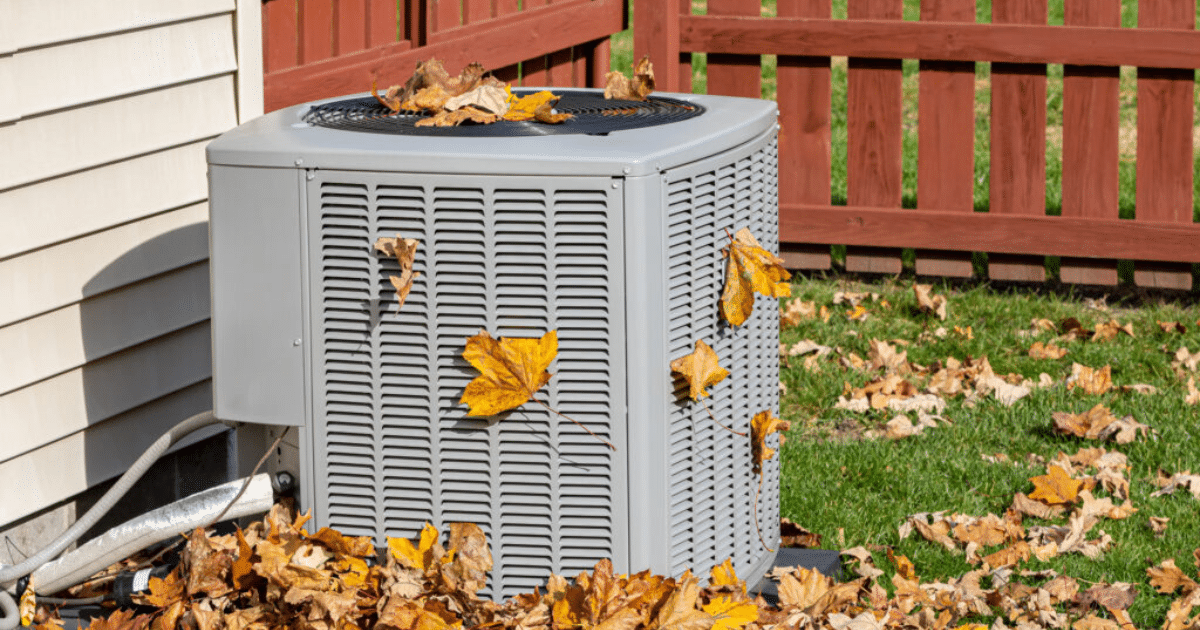
Your AC’s outdoor condenser unit plays a crucial role in releasing heat from your home. If it’s surrounded by leaves, dirt, or overgrown plants, it can’t function efficiently. To prevent overheating, keep at least 2 feet of space around the unit clear, and gently hose it down to remove dirt or debris buildup.

Schedule Regular Maintenance

Routine professional maintenance is one of the best ways to protect your AC from overheating. During a tune-up, our technicians will clean essential components, check refrigerant levels, inspect electrical connections, and ensure your system is operating at peak performance. A well-maintained unit is far less likely to overheat or break down unexpectedly.

Use a Programmable Thermostat

A programmable or smart thermostat allows you to control your indoor temperature more efficiently. By setting the thermostat to raise the temperature when you’re not home, you reduce the load on your AC. This gives your system a break during the day and helps prevent constant strain that can lead to overheating.

Seal Air Leaks and Improve Insulation

If your home isn’t properly sealed, your AC has to work harder to maintain the desired temperature. Check for air leaks around windows, doors, and ductwork. Improving insulation and sealing leaks can help keep cool air inside and reduce the demand on your system.

Avoid Blocking Vents

Blocked or closed vents can restrict airflow and disrupt your AC’s efficiency. Make sure furniture, curtains, or rugs aren’t covering any air supply or return vents throughout your home. Free-flowing air helps your AC cool more evenly and prevents system strain.

Keep Up With AC Maintenance to Prevent Overheating 

Your AC system is your best defense against sweltering summer heat, but it needs proper care to function reliably. By following these simple tips, you can help prevent your AC from overheating, reduce energy costs, and stay cool all season long.

Need help keeping your AC in top shape? Contact ProThermal Heating and Cooling today to schedule maintenance or speak with a cooling expert. We’re here to keep you comfortable—no matter how hot it gets.

What To Do When Your AC Is Blowing Warm Air

You turn on your air conditioner expecting crisp, cool air, but instead, you’re hit with a wave of warm air from the vents.

When your AC is blowing warm air, it’s a sign something’s not working right. Whether it’s a quick fix or a more serious repair, knowing how to respond can help you avoid bigger problems and restore comfort fast.

At ProThermal Heating and Cooling, we help Tulsa homeowners quickly identify and resolve AC issues before they turn into expensive breakdowns. Here’s what you need to know.

Common Causes of Warm Air Blowing From Your AC

There are several reasons why your air conditioner might stop cooling. Some are simple to fix, while others require professional diagnosis. Common causes include:

Incorrect Thermostat Settings

It happens more often than you think. Your thermostat may be set to “heat” or the fan set to “on” instead of “cool” and “auto.” This causes your system to circulate air without actually cooling it.

Tripped Circuit Breaker

A tripped breaker can shut off the outdoor condenser unit while the indoor fan continues to blow air, resulting in warm airflow.

Dirty Air Filter

Clogged filters restrict airflow, prevent efficient cooling, and can eventually cause parts like your evaporator coil to freeze.

Frozen Evaporator Coils

When airflow is restricted, the coils inside your unit can freeze up. This blocks the cooling process and may cause warm air or no airflow at all.

Low Refrigerant Levels

Low refrigerant (or a leak) prevents your AC from removing heat from the air. Signs include ice buildup, hissing sounds, or a chemical odor.

What You Can Try Before Calling for Service

If your AC unit is blowing warm air, start with these simple steps:

  • Check your thermostat and make sure it’s set to cool and auto
  • Set the temperature between 60–75°F for proper cycling
  • Inspect your breaker panel – if a breaker has tripped, turn it fully off before switching it back on
  • Replace your air filter if it looks dirty or clogged
  • Clear any debris from around the outdoor condenser unit, including leaves or grass buildup

If your system doesn’t start cooling after these steps, it’s time to bring in an HVAC pro.

When To Call a Professional

Some AC issues should never be handled on your own. Call ProThermal if:

  • You hear hissing, smell refrigerant, or see ice on the refrigerant line
  • The unit continues blowing warm air after checking settings and replacing the filter
  • Your system frequently cycles on and off or doesn’t respond at all
  • The evaporator coil keeps freezing, even after filter changes

These symptoms may signal refrigerant leaks, compressor issues, or electrical problems, all of which require trained, certified HVAC professionals.

Keep It From Happening Again

The best way to avoid warm air problems? Routine maintenance. Regular AC tune-ups help prevent airflow restrictions, refrigerant leaks, and overheating.

We recommend:

  • Replacing filters every 1-3 months
  • Scheduling seasonal AC maintenance before peak summer
  • Keeping the outdoor unit clean and clear
  • Installing a smart thermostat to catch temperature swings early

Restore Comfort With ProThermal Heating and Cooling

When your AC is blowing warm air, don’t sweat it – just call ProThermal Heating and Cooling at (918) 212-0258 for fast, expert AC repair in Tulsa and the surrounding areas. We’ll get your system back to blowing cool, clean air in no time.


Want more tips, HVAC advice, and local insights? Listen to our radio show, Complete Home Comfort, on KRMG. We cover all things heating, cooling, and home comfort solutions.

How To Fix Uneven Heating and Cooling in Your Home

Dealing with uneven heating and cooling throughout your home is undoubtedly frustrating, but the good news is that there are multiple ways to resolve it. Knowing what causes these issues and how to address them can help you maintain optimal comfort in your residence.

At ProThermal Heating and Cooling, our licensed HVAC professionals bring years of experience serving the Tulsa, OK area. Below, we cover the top solutions to help you address uneven heating and cooling.

Common Causes of Uneven Heating and Cooling

Temperature imbalances not only affect comfort but can also lead to higher utility bills. Common reasons for this issue include:

  • Leaky ductwork
  • Blocked or obstructed air vents
  • Drafts around windows and doors
  • Thermostats giving inaccurate readings

Tips on Fixing Uneven Heating and Cooling

While some issues require professional help, there are a few simple troubleshooting steps you can try to improve airflow and comfort in your home.

Air Balancing

Air balancing involves adjusting the vents in different rooms to direct airflow where it’s needed most. For example, closing vents in rooms that are rarely used can help redirect conditioned air to the areas you spend the most time in.

Change the Air Filter

A dirty air filter can restrict airflow, causing uneven temperatures. Replace your HVAC filter at least once every three months, or when needed, to ensure consistent airflow throughout your home.

Adjust Your Thermostat

Switching your thermostat’s setting from “AUTO” to “ON” can help circulate air more evenly throughout your home, even when the heating or cooling cycle is off.

When To Call an HVAC Professional

Some issues, like poor insulation or improperly sized HVAC systems, require a professional’s expertise. Here are some situations where it’s best to call in an expert:

  • Ductwork Inspection. Leaky or poorly installed ductwork can lead to temperature imbalances, excess dust, and high humidity.
  • HVAC System Upgrade. If your system is outdated or improperly sized, it may struggle to maintain consistent temperatures, making your home uncomfortable and less energy efficient.
  • Zoned Heating and Cooling. A zoned HVAC system allows you to control the temperature in different areas of your home instead of using one thermostat for the whole property.

Get Expert Help From ProThermal

If you’re dealing with uneven heating and cooling in the Tulsa, OK area, ProThermal Heating and Cooling has the solutions you need.

From air sealing to installing zoned heating systems, we’re here to help. Call us today (918) 807-8364 to schedule an appointment and start enjoying a more comfortable home.

Benefits of Upgrading Your HVAC System in the Fall

You’ll likely need your HVAC system repaired every few years, but there will come a time when it breaks down for the last time and you must replace it. Though you can’t know when this will happen, try to time it so you’ll be upgrading your HVAC system in the fall to take advantage of many benefits.

ProThermal Heating and Cooling can help you upgrade your HVAC system to improve comfort and give you lower energy bills. Call today if you’re ready for a new system!

Why Fall Is Ideal for Upgrading Your HVAC System

Upgrading your HVAC system can happen whenever you need it to, but waiting for fall will give you many benefits:

  • HVAC technicians have more time: Technicians are busy in the summer repairing air conditioners and in the winter repairing furnaces. They slow down in the fall, so you can easily schedule with the HVAC company of your choice.
  • Financial preparation: Aside from budgeting, you can also check around for government programs offering tax breaks and other financial incentives promoting energy efficiency.
  • No surprise heating issues: If you replace your furnace in the fall, you’re guaranteed to have a warm winter. New systems rarely fail on their first run, so you can be confident you’ll feel toasty all winter long.
  • Seasonal discounts: You may be able to find seasonal discounts from manufacturers or HVAC companies since it’s a slower season for HVAC usage.

Benefits to Consider When Upgrading Your HVAC System

Upgrading your HVAC system will provide a range of benefits you should consider before you choose the one you want.

For starters, updated technology will provide the best energy efficiency available, allowing you to have lower energy bills than you’ve had with your older system.

A new system will also give you better comfort and indoor air quality, as the ducts aren’t covered in dust and grime from the years before. Not only will you feel warmer, but you’ll get to breathe easier, too.

A brand-new system will increase your home value. If you plan on moving next year, use the fall to pick the best HVAC system you can afford to increase how much you can sell your home for.

How To Prepare for Your Installation

During an HVAC upgrade, your contractor will remove the old unit, install the new one, and test everything to make sure it works properly.

You can help this go more smoothly with careful preparation:

  • Move any furniture or other objects out of the way.
  • Think about where you can take children and pets during the installation.
  • Call ahead to ask what the HVAC contractor might need from you.

Choose ProThermal Heating and Cooling

If you’re considering upgrading your HVAC system this fall, call ProThermal Heating and Cooling at (918) 807-8364 or schedule with us online.

If you’re unsure what kind of HVAC system you should upgrade to, our expert technicians can help you decide based on your budget, needs, and the square footage of your home. We promise a 1-hour arrival time, so when you’re ready for a new furnace, we’ll be there soon!

How To Save on Cooling Costs During Oklahoma’s Late Summer Heat

How To Save on Cooling Costs During Oklahoma's Late Summer Heat

As summer drags into the dog days and beyond, late-season cooling costs take an increasing toll on household budgets. 

During late spring, Tulsa residents may pay from $60 to $150 per month for cooling, while by late summer, that cost goes up to $120 to $300 per month.

ProThermal Heating and Cooling shares practical tips on how to save on cooling costs during the late summer heat. 

1. Check Thermostat Settings

Try adjusting your thermostat to 78 degrees when you are home and 7-10 degrees higher when you are away to save up to 10% on energy expenses.

Consider investing in a smart programmable thermostat to make adjustments automatically or remotely, and you can make sure your indoor air is comfortable when you arrive home. 

2. Improve Insulation

Check the insulation in your attic, walls, and floors. Look for gaps around windows and doors that allow air to escape. Proper sealing and insulation prevent paying for cool air only to have it escape into the outdoor heat. Your air conditioner will work under less stress, saving utility costs and extending its lifespan.

3. Use Ceiling Fans

Improved interior circulation provides a wind-chill effect without needing to actually reduce temperatures. Set fans to rotate counterclockwise in summer, and try moving your thermostat up four degrees to save money without sacrificing comfort.

4. Schedule Regular Air Conditioning Maintenance

One of the best tips for how to save on cooling costs is to schedule regular professional maintenance. Professional cleaning and inspections at least annually will keep your system running at peak efficiency, saving up to 15% on energy costs.  

5. Use Blinds and Improve Shading

Shading against the sun’s radiant heat makes your air conditioner’s job much less stressful. Think about new trees, awnings, and structures like pergolas to provide extra shading for your house and the concrete and ground around it. Keep blinds and curtains closed during midday and late afternoon, especially those facing south or west. 

6. Take Advantage of Natural Ventilation

Take advantage of natural ventilation during cooler evenings by opening windows and using fans to circulate fresh air. Refreshing interior cross-ventilation can stack energy savings by giving your HVAC unit an extended break during the coolest part of the day.

7. Limit the Use of Heat-Generating Appliances

Try using your microwave or air fryer during the daytime instead of heating up your oven or stove. Run your dishwasher and dryer at night to reduce the radiant heat that they discharge. 

8. Consider Upgrades for Energy Efficiency

Older HVAC systems have significantly lower SEER energy efficiency ratings than newer models. Your home might also be a good fit for a ductless mini-split or heat pump system that can provide more targeted and less expensive cooling power.

Contact ProThermal for Full HVAC Services in Tulsa

How to save on cooling costs? For more information, talk with the courteous experts with ProThermal Heating and Cooling.

Contact us online or call (918) 807-8364 today to discuss an estimate for your heating and cooling repair, maintenance, or installation needs.