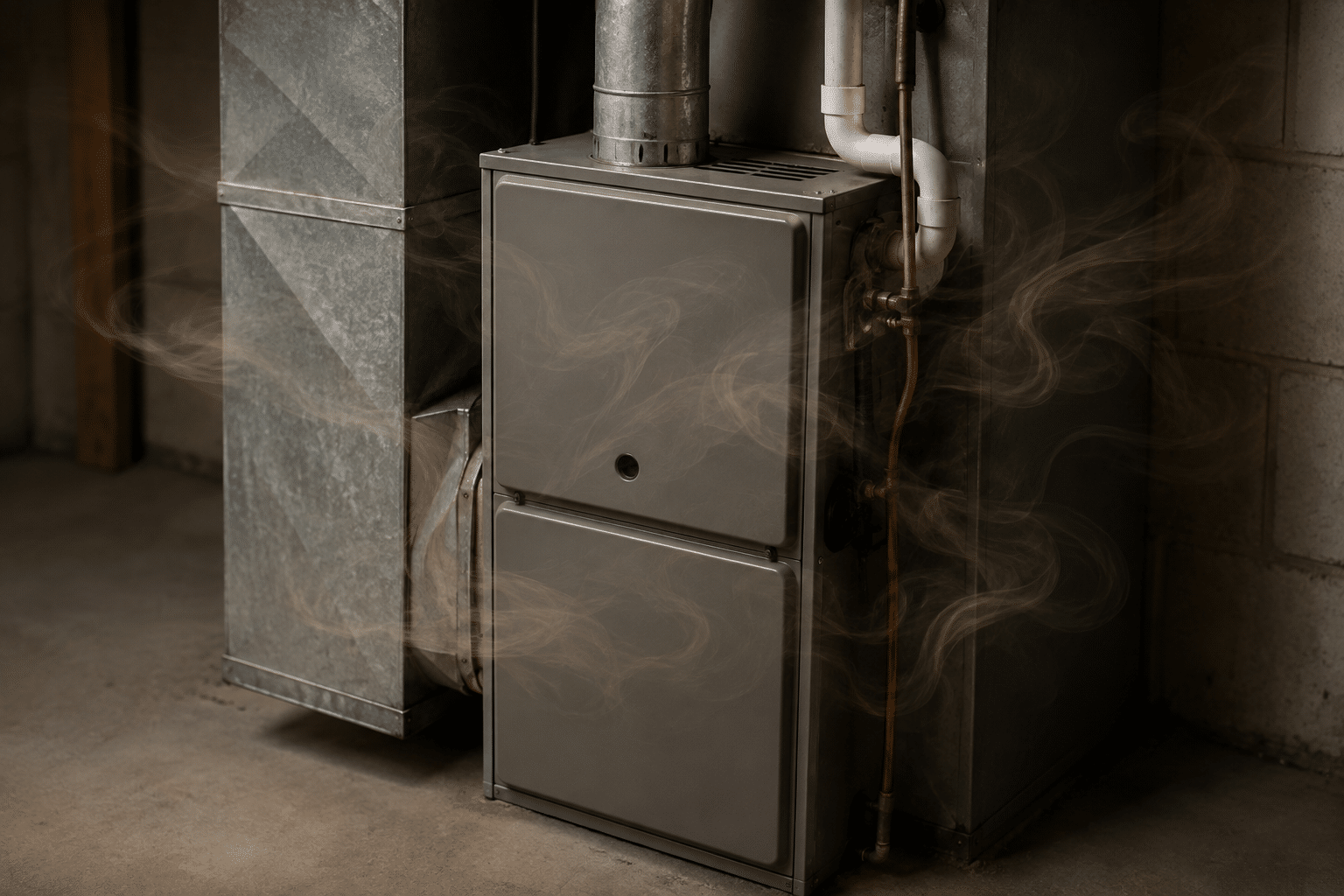

What is the most common part to fail on a furnace? This is a common question for homeowners in Tulsa, OK who want to understand why their heating system may suddenly stop working. The ignitor is typically the most common component to fail, especially in modern furnaces that rely on electronic ignition systems.
Why the Ignitor Fails
The ignitor plays a key role in starting your furnace by heating up to ignite the gas that produces warm air.
Over time, it wears down due to:
Frequent heating cycles
Natural material fatigue
Electrical strain
Dust buildup
Because it operates every time your furnace turns on, it experiences more wear than most other parts.
Signs of a Failing Ignitor
A failing ignitor often shows clear warning signs.
You may notice:
The furnace will not start
Clicking without ignition
Cold air blowing from vents
Multiple attempts to start
These symptoms usually indicate the ignitor needs inspection or replacement.
Other Common Furnace Failures
While the ignitor is the most common issue, other components can fail as well.
Blower Motor
The blower motor moves air through your system. If it fails, heat may not circulate properly.
Flame Sensor
The flame sensor ensures safe operation. If dirty or faulty, it can shut the system down.
Heat Exchanger
The heat exchanger transfers heat into the air. Damage here can impact safety and performance.
Why Furnace Parts Wear Out
Furnace components naturally wear down over time, especially during heavy use.
Common causes include:
Lack of maintenance
Dirty filters
Restricted airflow
System age
Regular operation during colder months in Tulsa, OK increases stress on these parts.
How to Prevent Furnace Issues
Preventive maintenance helps reduce the risk of breakdowns.
You can:
Schedule annual tune-ups
Replace filters regularly
Keep vents clear
Address issues early
Routine service helps extend the life of your system.
Final Thoughts
What is the most common part to fail on a furnace? The ignitor is usually the first component to wear out due to constant use, but other parts can also fail over time. Staying proactive with maintenance helps prevent unexpected breakdowns and keeps your system running efficiently.
Is it legal to replace your own furnace? This is a common question homeowners in Tulsa, OK ask when facing a furnace replacement and considering a DIY approach. In most cases, the answer is no. Furnace installation is regulated and typically requires proper permits, inspections, and licensed professionals to ensure safety and code compliance.
Why Furnace Replacement Is Regulated
Furnaces involve gas lines, electrical components, ventilation, and combustion systems. Because of these risks, local building codes are in place to protect homeowners and ensure installations are done correctly.
Permits and inspections verify:
Safe gas line connections
Proper venting of exhaust gases
Correct electrical wiring
Compliance with local codes
Proper system sizing and airflow
Without these checks, small mistakes can turn into serious hazards.
What Happens If You Skip Permits
Replacing a furnace without proper permits can lead to several issues.
These include:
Fines or penalties
Failed home inspections when selling
Voided manufacturer warranties
Insurance claim denials
Unsafe system operation
In many cases, unpermitted work must be redone to meet code requirements.
Safety Risks of DIY Furnace Installation
Installing a furnace without professional training can be dangerous. Even minor errors can create major problems.
Risks include:
Gas leaks
Carbon monoxide exposure
Fire hazards
Poor ventilation
System failure
Carbon monoxide is especially dangerous because it is invisible and odorless, making proper installation critical.
Why Professional Installation Matters
Licensed HVAC professionals are trained to install furnaces safely and correctly. They understand how to size systems, connect components, and ensure proper airflow.
Professional installation includes:
Accurate system sizing
Safe gas and electrical connections
Proper venting setup
Permit handling and inspections
Warranty protection
This ensures long-term performance and safety.
Can Homeowners Do Any Furnace Work?
Homeowners can perform basic maintenance tasks like:
Replacing air filters
Cleaning around the unit
Adjusting thermostat settings
However, installation and major repairs should always be handled by licensed professionals.
Local Code Requirements in Tulsa, OK
In Tulsa, OK, furnace installation must meet local building codes and safety standards. Permits are typically required, and inspections confirm the system is installed correctly.
Working with a professional ensures:
Code compliance
Proper permitting
Safe installation
Successful inspection
Final Thoughts
In many areas, it is not legal to replace your own furnace without proper permits and licensing. Even where it may be allowed, the risks and complexity make professional installation the safest option.
When should you not use a heat pump? This is a common question homeowners in Tulsa, OK ask when their heating system struggles during colder weather. While heat pumps are efficient and reliable in many conditions, there are situations where they should not be relied on as your only source of heat. Understanding these limits can help you stay comfortable and avoid unnecessary energy costs.
Heat pumps work by transferring heat from the outside air into your home. Even cold air contains some heat, but as temperatures drop, there is less heat available to extract. This makes the system work harder and reduces its efficiency.
Why heat pumps lose efficiency in cold weather
As outdoor temperatures fall, the amount of available heat in the air decreases. This forces the system to run longer cycles and work harder to maintain indoor temperatures.
In extremely cold conditions, especially below about -13°F, standard air source heat pumps may struggle to keep up with heating demand. This can lead to reduced performance and higher energy usage.
Signs your heat pump is not keeping up
When a heat pump is operating outside its ideal range, you may notice clear warning signs.
The system runs constantly without reaching the desired temperature
Indoor comfort feels inconsistent or colder than expected
Energy bills increase without improved performance
Auxiliary heat turns on more frequently
Air from vents feels cooler than normal
These signs indicate your system may need support from a backup heating source.
When you should not rely on a heat pump alone
There are several situations where a heat pump should not be your only heating solution.
Extremely low outdoor temperatures
Poor insulation that allows heat to escape quickly
An undersized system that cannot meet heating demand
Older systems with reduced efficiency
Homes without a backup heating system
In these cases, relying only on a heat pump can lead to discomfort and higher operating costs.
The role of backup heating systems
Many homes use a dual fuel system that combines a heat pump with a gas furnace or electric backup heat. This setup allows the heat pump to operate during moderate temperatures while the backup system takes over during colder conditions.
This helps maintain consistent indoor comfort, reduces strain on the heat pump, and improves overall efficiency.
Heat pumps in Tulsa, OK
In Tulsa, OK, heat pumps perform well for most of the year because winters are generally moderate. However, during occasional cold snaps, temperatures can drop enough to impact performance.
Having a backup heating system ensures your home stays comfortable during these periods.
Why professional evaluation matters
Every home is different, and factors like insulation, system size, and ductwork all affect how well a heat pump performs. A professional evaluation ensures your system is properly sized and equipped to handle local weather conditions.
ProThermal Heating and Cooling helps homeowners in Tulsa, OK determine whether their heat pump is sufficient or if a backup heating solution is recommended.
Final thoughts
You should avoid relying on a heat pump when outdoor temperatures drop too low for it to operate efficiently. While heat pumps are highly effective in many conditions, extreme cold can reduce their performance and increase energy use.
What Time Of Year Is The Cheapest To Replace A Furnace?
What time of year is the cheapest to replace a furnace? Homeowners in Tulsa, OK often ask this question when their heating system begins showing signs of age. Timing can make a significant difference in both cost and scheduling flexibility. In most cases, spring or early summer offers the best opportunity to replace a furnace at a lower overall cost.
Why Spring and Early Summer Are Typically Cheaper
The heating season usually ends in early spring. During this time, demand for furnace replacement decreases. With fewer emergency breakdowns and less urgent scheduling pressure, HVAC companies often have greater availability.
Lower demand can mean more flexible installation dates and access to seasonal promotions. Planning ahead during this slower period allows homeowners to evaluate equipment options without the stress of a winter emergency.
Why Fall and Winter Are More Expensive
When temperatures drop, furnace failures increase. Emergency situations limit scheduling flexibility and often require faster turnaround times. During peak heating season, installation calendars fill quickly.
Replacing a furnace during winter is sometimes unavoidable, but it typically offers fewer pricing advantages and less time to compare options.
The Benefit of Planning Ahead
If your furnace is more than 15 years old, requires frequent repairs, or struggles to heat your home evenly, spring is a smart time to begin planning for replacement. Proactive scheduling helps you avoid emergency installation and ensures your home is ready before the next cold season arrives.
In Tulsa, OK, winter weather can shift quickly. Replacing an aging furnace before peak demand protects your comfort and provides more control over timing and budget.
How often should a home furnace be serviced? This is a common question homeowners ask when they want to avoid breakdowns, high heating bills, or unexpected safety issues. In most homes, a furnace should be professionally serviced at least once a year, ideally in the fall before the heating season begins. Annual service helps ensure safe operation, reliable performance, and efficient heating throughout the winter.
While some furnaces may seem to run fine without attention, skipping maintenance often leads to higher costs and shorter system life. Understanding why annual service matters and when more frequent checkups are needed can help homeowners in Tulsa, OK protect their comfort and investment.
Why Annual Furnace Service Is Recommended
A furnace is one of the hardest working systems in your home during cold weather. Over time, parts wear down, airflow can become restricted, and safety components may drift out of proper calibration.
Annual furnace service helps ensure safe operation, improve heating efficiency, reduce the risk of mid winter breakdowns, extend system lifespan, and catch small problems before they become expensive repairs.
What Happens During a Professional Furnace Service
A professional furnace tune up includes inspection of burners and the heat exchanger, testing safety controls and ignition systems, checking electrical connections, cleaning internal components, measuring airflow, verifying proper combustion and venting, and inspecting or replacing the air filter.
Why Fall Is the Best Time for Furnace Service
Servicing a furnace before peak demand allows problems to be corrected before cold weather arrives. In Tulsa, OK, early maintenance reduces the risk of no heat emergencies during the busiest part of the heating season.
When a Furnace May Need More Than One Service Per Year
Older systems, heavy winter use, homes with pets, recurring repair history, or indoor air quality concerns may benefit from additional inspections.
What Happens If Furnace Maintenance Is Skipped
Skipping service often results in higher energy bills, more frequent breakdowns, reduced heating performance, shorter system lifespan, and increased safety risks.
Furnace Service and Safety
Annual service includes checks for heat exchanger damage, ignition issues, carbon monoxide risks, venting problems, and failing safety switches to help protect your household.
Does Furnace Maintenance Really Save Money?
A well maintained furnace uses less energy, experiences fewer repairs, and lasts longer, making maintenance a cost saving investment over time.
Final Thoughts
For most homes, annual furnace service provides the right balance of safety, efficiency, and reliability. Older systems or heavily used furnaces may benefit from closer monitoring.
Make sure your furnace is prepared for the heating season. Professional maintenance helps prevent costly repairs and keeps your home warm and safe.
How do you know if your furnace needs replacing? Most homeowners start asking this when repairs become frequent, bills creep up, or the heat just does not feel as steady as it used to. A furnace can run for years with only minor fixes, but there is a point where keeping it alive costs more than it is worth. In many homes, furnaces last around 15 years, and once a system reaches that age, the odds of bigger failures and safety concerns increase.
In Tulsa, OK, winter cold snaps can expose a weak furnace fast. The challenge is knowing whether you are dealing with a normal repair or the start of a pattern that keeps draining your budget. Below are the clearest signs that replacement may be the smarter move, along with what a professional inspection should include before you make a decision.
Frequent Repairs That Keep Coming Back
One repair does not automatically mean you need a new furnace. Even solid systems need occasional parts replaced. The red flag is frequency.
If you are calling for service every season, or multiple times in one winter, that is usually a sign the system is wearing out across several components. A furnace is like any machine. When one major part fails due to age, others are often close behind.
A common pattern looks like this:
One winter it is the ignitor.
Next it is the blower motor.
Then it is a control board or gas valve.
Suddenly you have spent a large chunk of replacement cost and still have an old furnace.
When repairs become routine, replacement often becomes the more reliable and cost effective option.
Rising Energy Bills Without a Change in Usage
A furnace that is struggling usually becomes expensive before it becomes completely dead. If your energy bills keep rising and your household habits have not changed, your furnace may be losing efficiency.
This happens for a few reasons:
Internal components wear down and the unit runs longer to meet demand.
Airflow becomes restricted due to aging parts or duct issues.
Burners and combustion components do not operate as cleanly or efficiently.
In Tulsa, OK, that extra runtime shows up quickly during long heating cycles. A newer, properly sized furnace can often heat the home faster, more evenly, and with less energy waste.
Unusual Noises That Were Not There Before
Furnaces are not silent, but they should not sound violent. If you hear banging, popping, screeching, or grinding, do not ignore it.
Here is what those noises can indicate:
Banging can point to delayed ignition, duct expansion, or mechanical issues.
Popping can be ductwork reacting to pressure changes, or internal metal expanding.
Screeching often relates to blower motor problems, worn bearings, or belt issues.
Grinding can signal serious mechanical wear that may worsen quickly.
A noisy furnace may still run, but that does not mean it is safe or smart to keep running it. Noise is often the system warning you that something is failing.
Dust or Soot Around Vents and Registers
Dust around vents is common, but soot or unusual dark buildup can signal internal wear or combustion problems. When a furnace is not burning fuel cleanly, it can produce residues that show up around registers or near the furnace cabinet.
Soot can point to issues such as:
Burner problems
Heat exchanger deterioration
Venting concerns
Poor combustion performance
Because combustion issues can become safety issues, soot should always lead to a professional inspection.
The Furnace Is Around 15 Years Old or Older
Age alone does not condemn a furnace, but it matters. Most furnaces last about 15 years, and after that point, failures tend to become more expensive, more frequent, and harder to predict.
Older units also tend to have:
Lower efficiency compared to modern systems
More wear on critical parts
Harder to find replacement components
Greater risk of safety concerns as the system ages
If your furnace is near or past 15 years old and showing multiple symptoms, replacement is often the most reliable path forward.
Comfort Problems That Keep Getting Worse
A furnace can be running but still failing to keep your home comfortable. If you notice:
uneven temperatures from room to room,
longer warm-up times,
short cycling,
weak airflow,
that can indicate the system is no longer performing the way it should. Comfort issues often show up alongside efficiency issues, which means you are paying more while getting less heat.
Why a Professional Inspection Matters Before Replacing
Replacing a furnace is a major decision, and it should never be based on guesswork. A professional inspection helps answer the right questions, such as:
Is the problem isolated to one part, or is the system wearing out across the board?
Is the furnace operating safely, especially around combustion components?
Is the system properly sized for the home?
Are there airflow or duct problems making the furnace work harder than necessary?
Would repair provide reliable value, or just delay the inevitable?
At ProThermal Heating and Cooling, we focus on honest evaluations. Sometimes the right move is a repair. Sometimes replacement is the best way to stop the cycle of breakdowns and rising costs. The goal is long term comfort and fewer surprises.
Making the Right Call in Tulsa, OK
If your furnace needs frequent repairs, your energy bills are climbing, you hear strange noises, or you see soot around vents, those are strong signals the system may be nearing the end. When the furnace is also around 15 years old, replacement often becomes the safer and more reliable option than continuing to patch an aging unit.
Is it worth replacing a 20 year old furnace? This is a question many homeowners ask once their heating system starts showing its age through higher energy bills, uneven heat, or frequent repairs. In most cases, the answer is yes. A furnace that is 20 years old is well beyond the average lifespan and is far less efficient, less reliable, and potentially less safe than modern systems.
While an older furnace may still be running, that does not mean it is operating well or economically. Understanding what changes after 20 years can help homeowners in Tulsa, OK decide whether replacement is the smarter move.
How Efficient Is a 20 Year Old Furnace?
One of the biggest reasons replacement is usually worth it comes down to efficiency. Most furnaces installed 20 years ago operate at around 60 to 80 percent efficiency. That means a large portion of the fuel you pay for is wasted instead of being converted into heat.
Modern furnaces, by comparison, often operate at 90 percent efficiency or higher. The difference shows up every month on your utility bill.
In Tulsa, OK, where furnaces may run for extended periods during cold weather, an inefficient system can significantly increase heating costs. Even if the furnace still works, it is likely costing you far more than necessary to keep your home comfortable.
Increased Risk of Unexpected Breakdowns
A 20 year old furnace is far more likely to fail without warning. Internal components wear down over time, and metal fatigue becomes more common as the system ages.
Common age related failures include:
Blower motor failure
Control board issues
Gas valve problems
Ignition system breakdowns
At this age, a single major repair can be costly, and replacing one part does not prevent another from failing soon after. Many homeowners find themselves stuck in a cycle of repairs that quickly add up to the cost of a new system.
Safety Concerns With Older Furnaces
Safety is another major factor when deciding whether to replace a 20 year old furnace. Older systems are more prone to serious issues such as cracked heat exchangers.
A cracked heat exchanger can allow carbon monoxide to leak into your home. This is a serious safety hazard that cannot be ignored. While not every older furnace has this problem, the risk increases significantly with age.
Other safety related concerns may include:
Poor combustion performance
Venting deterioration
Failing safety sensors
A professional inspection is the only way to know if your furnace is operating safely, but many homeowners choose replacement rather than risking continued operation of an aging system.
Frequent Repairs and Rising Costs
If your furnace is 20 years old and needs frequent repairs, replacement is usually the more cost effective choice. Paying for multiple service calls year after year often results in spending thousands of dollars while still owning an unreliable system.
Common warning signs include:
Repairs needed every heating season
Rising repair costs
Longer wait times for parts
Difficulty finding replacement components
At some point, repairing an old furnace becomes a temporary fix rather than a real solution.
Uneven Heating and Comfort Problems
Comfort issues are another sign that replacement may be worth it. Older furnaces often struggle to heat homes evenly, leading to cold rooms, longer run times, and inconsistent temperatures.
This happens because:
Components lose performance over time
Airflow becomes less efficient
The system no longer matches the home’s heating needs
Newer furnaces provide more consistent heat, quieter operation, and better airflow control, which improves overall comfort throughout the home.
Can a 20 Year Old Furnace Still Be Repaired?
In some cases, a repair may still be possible, especially if the issue is minor and the system has been well maintained. However, at 20 years old, repairs should be viewed carefully.
Important questions to ask include:
Is the repair cost high relative to replacement?
Has the furnace needed multiple repairs recently?
Is efficiency noticeably poor?
Are there safety concerns?
If the answer to several of these questions is yes, replacement is usually the smarter long term decision.
Benefits of Replacing an Old Furnace
Replacing a 20 year old furnace offers several advantages beyond just avoiding breakdowns.
Benefits often include:
Lower monthly energy bills
Improved indoor comfort
More reliable heating
Quieter operation
Updated safety features
Better temperature control
For many homeowners, these benefits quickly outweigh the upfront cost of replacement.
Why a Professional Furnace Inspection Matters
Before deciding to replace a furnace, a professional inspection is essential. An experienced technician can evaluate efficiency, safety, airflow, and overall condition.
At ProThermal Heating and Cooling, we take the time to explain what we find and what it means. We help homeowners understand whether replacement makes sense now or if a repair can still provide reasonable value.
Our goal is not to rush decisions, but to give clear guidance based on facts.
Making the Right Decision in Tulsa, OK
In most cases, it is worth replacing a 20 year old furnace. Systems this old are less efficient, more expensive to operate, and more likely to fail unexpectedly. Safety risks and rising repair costs only add to the concern.
ProThermal Heating and Cooling proudly serves homeowners in Tulsa, OK with trusted furnace and HVAC solutions. If your furnace is 20 years old or approaching that age, now is the time to act. Contact ProThermal Heating and Cooling today to schedule a professional furnace inspection. We will assess your system, explain your options clearly, and help you decide whether replacement is the best move for your comfort, safety, and budget. Call now or schedule your service to get started.
Have you ever turned on your furnace and noticed a burning smell? While some odors are harmless, others can signal serious safety risks. At ProThermal Heating and Cooling, we help homeowners identify and resolve furnace odors before they turn into a costly (or dangerous) situation.
Here’s what could be causing that burning smell – and when you should take action.
When a Furnace Burning Smell Is a Warning Sign
A quick response is crucial when unusual odors come from your furnace. If you notice any of the following, turn off your system immediately and call a professional:
Persistent burning smells – If the odor lasts more than a day, it could indicate a serious issue.
Burning plastic or metal odor – this could be a sign of electrical problems, such as overheating wires or a failing motor.
Smoky smell and strange noises – A mechanical failure may be causing components to overheat.
Rotten egg smell – This indicates a gas leak – evacuate your home and call your gas company immediately.
Carbon monoxide danger – CO is odorless but deadly. If your CO detector goes off, leave your home and seek immediate assistance.
If in doubt, shut down your furnace and call ProThermal for a safety inspection.
Common Causes of Furnace Burning Smells
1. Dust Burning Off
If you haven’t used your furnace in months, dust may have settled on heating elements and burners. When you turn the system on, the dust burns off, causing a brief odor.
Normal: The smell should disappear within a few hours.
Concern: If the burning smell persists beyond a day, call an HVAC technician.
2. Overheating Electrical Components
A sharp, acridodor – similar to burning plastic or metal – can indicate wiring issues, motor failure, or an overloaded circuit.
What To Do:
Shut down your furnace immediately.
Do not attempt to restart it until a professional inspects the system.
Call an HVAC technician to check for damaged wiring, loose connections,or overheating parts.
3. Clogged Filters
A dirty furnace filter restricts airflow, forcing the system to work harder. In some cases, the filter may start burning, creating a smoky odor.
Fix It:
Check your air filter every month – replace it if it looks dirty.
Regular filter changes preventoverheating and improve indoor air quality.
4. Worn or Damaged Insulation
Over time, the protective insulation around electrical components can weardown. This may cause a burning smell when the furnace runs.
What To Do:
If you smell burningrubber or fabric, turn off your furnace and call a technician.
Ignoring worn insulation can lead to electrical fires or system damage.
What To Do When Your Furnace Smells Like It’s Burning
Turn off your furnace if the smell is persistent or unusual.
Check your air filter – replace it if clogged.
Listen for strange noises – these could indicate mechanical failure.
Check for smoke or sparks. If you see any, evacuate immediately.
Contact a professional HVAC technician for a furnace safety inspection.
Stay Safe with ProThermal Heating and Cooling
A burning smell from your furnace is not something to ignore. Whether it’s a simple dust burn-off or a serious safety issue, our expert technicians can quickly diagnose and fix the problem.
As heating bills climb, many homeowners wonder if poor attic insulation is to blame. When your attic isn’t insulated, your heater has to work twice as hard. This constant strain is a leading cause of mechanical breakdowns that require professional furnace repairto fix.
Understanding how attic insulation impacts heating costs can help you make informed decisions to improve your home’s energy efficiency and comfort. In this guide, ProThermal Heating and Cooling will explain the connection between attic insulation and heating bills, explore insulation options, and show how you can save on energy costs.
How Attic Insulation Impacts Your Heating Bills
Up to 40% of the heated air in your home can escape through the attic, especially if insulation is outdated or inadequate. This forces your heating system to run longer and consume more energy, leading to higher bills and uneven temperatures throughout your home.
Signs that your attic insulation may be insufficient include:
Uneven temperatures between rooms
Ice dams frequently form on your roof
Drafty areas near ceilings
Proper attic insulation creates a thermalbarrier that retains warmth during the winter, reducing strain on your heating system and lowering energy costs.
Common Types of Attic Insulation
Different types of insulation offer varying levels of efficiency, measured by R-value – a higher R-value means better insulation.
What It Is: Pre-cut panels of tiny glass fibers, designed to trap air and resist heat flow.
How It Works: These panels fit snugly between attic joists, creating a layer of insulation that slows heat transfer.
Pros: Affordable, lightweight, and easy to install, making it a popular choice for DIY enthusiasts.
Best For: Straightforward installations in accessible attics with standard joist spacing.
2. Blown-In Cellulose
What It Is: Loose-fill insulation made from recycled paper products, treated with fire retardants for safety.
How It Works: Installed using specialized equipment that blows the materials into hard-to-reach areas, ensuring even coverage.
Pros: Excellent for filling gaps and irregularly shaped spaces, and it’s an exo-friendly option.
Best For: Attics with complex layouts, tight corners, or spaces where existing insulation needs supplementing.
3. Spray Foam Insulation
What It Is: A liquid material that expands upon application to create a dense, airtight barrier.
How It Works: The foam fills cracks, crevices, and gaps, forming a seamless layer of insulation that also acts as a vapor barrier.
Pros: Offers the highest R-value per inch, provides superior air sealing, and reduces drafts dramatically.
Best For: Homes with high energy-loss areas or those needing long-term insulation performance.
4. Radiant Barriers
What It Is: Highly reflective insulation, usually made from aluminum foil, that reflects radiant heat rather than absorbing it.
How It Works: Installed on the underside of your roof, radiant barriers reduce heat by reflecting sunlight away from the home.
Pros: Particularly effective in reducing cooling costs in hot climates by keeping attics cooler.
Best For: Homes in warmer climates or as a supplement to traditional insulation types.
Factors That Influence Energy Savings
According to the Environmental Protection Agency (EPA), upgrading attic insulation can reduce heating costs by up to 15%. Your actual savings depend on several factors, including:
Condition of Current Insulation: Upgrading from poor-quality insulation provides the greatest savings.
Local Climate: Homes in colder regions, like Tulsa’s winter season, see higher reductions in heating costs.
Home Size: Larger homes lose more energy, increasing potential savings from insulation upgrades.
Heating System: High-efficiency furnaces combined with modern insulation can improve savings by 20 to 25%, while older systems may limit savings to 10 to 12%.
Installation Quality: Professional installation ensures there are no gaps or weak spots for heat to escape.
Insulation Type: Higher R-value materials typically result in greater long-term energy savings.
Why Professional Installation Matters
While some types of insulation are DIY-friendly, professional installation is often the best choice for long-term results. Trained experts can:
Assess your home’s unique needs.
Recommend the most effective insulation materials.
Ensure proper installation without gaps or weak points.
This guarantees maximum energy savings and comfort for your home.
Save on Heating Costs with ProThermal Heating & Cooling
Insulation is only half the battle. To ensure your home stays warm all winter, combine great insulation with a reliable heating system. If you’re experiencing uneven temperatures, schedule your furnace repair in Tulsa or the surrounding areas today.
Our certified technicians can evaluate your current insulation, recommend cost-effective solutions, and ensure proper installation for lasting results.
Ready to start saving? Call (918) 807-8364 to schedule your attic insulation service and take the first step toward a warmer, more energy-efficient home.
Winter is well on its way, and as temperatures drop, keeping your home warm can quickly become expensive. The good news? A few HVAC upgrades can significantly lower your heating costs without taking away from your comfort. With the right improvements, you’ll enjoy a cozier home and lower utility bills all season long.
Many homeowners see their heating bills spike during the colder months, often due to:
Outdated equipment
Lack of maintenance
Poor insulation
Fortunately, you can consult with an HVAC professional to inspect your heating equipment, and recommend upgrades to improve your home’s efficiency and comfort.
How Outdated HVAC Systems Drive Up Costs
Even well-maintained systems lose efficiency over time. As technology advances, newer models are designed to be far more energy-efficient than their predecessors. If your HVAC system is over 10-15 years old, you may be paying more than necessary to keep your home warm.
Upgrading components like your furnace or heat pump can lead to substantial savings, both immediately and in the long run.
3 HVAC Upgrades to Reduce Heating Costs
1. Install a Smart Thermostat
Smart thermostats, like the popular Nest or Ecobee models, allow you to program temperature settings based on your daily schedule. These devices can:
Automatically lower the temperature when you’re asleep or away from home.
Provide energy usage reports to help you identify savings opportunities.
Be controlled remotely via smartphone, giving you flexibility and control over your heating system.
2. Switch to Zoned Heating
Whole-house heating wastes energy by warming areas you’re not using. Zoned heating systems let you divide your home into sections, each with its own temperature control. For example, you can keep living spaces warm while lowering the temperature in unused bedrooms.
3. Upgrade to Energy-Efficient HVAC Equipment
Modern heating systems with higher Seasonal Energy Efficiency Ratio (SEER) ratings use less fuel or electricity to produce the same amount of heat. Upgrading to a high-efficiency furnace or heat pump can dramatically reduce your monthly heating bills while improving overall comfort.
What Savings Can You Expect From HVAC Upgrades?
Immediate Savings: Switching to a smart thermostat or zoned heating system allows you to start saving on energy costs as soon as you adjust your settings.
Long-Term Savings: Replacing outdated equipment with energy-efficient models can lower your monthly heating bills for years to come. Upgraded insulation and other efficiency improvements further reduce costs by preventing heat loss.
How to Choose the Right HVAC Upgrades for Your Home
When deciding on HVAC upgrades, you’ll want to consider:
The initial investment for equipment and installation.
The potential energy savings over time to justify the cost.
Your home’s unique needs as it comes to size, layout, and typical heating habits.
Call ProThermal Heating and Cooling for an Efficiency Boost
Winter doesn’t have to come with sky-high energy bills – let ProThermal help you make the right choices for your home.
Call us today at (918) 807-8364to schedule a consultation with one of our trained HVAC technicians!