Is It Worth Replacing A 20 Year Old Furnace?

Is it worth replacing a 20 year old furnace?

Is it worth replacing a 20 year old furnace? This is a question many homeowners ask once their heating system starts showing its age through higher energy bills, uneven heat, or frequent repairs. In most cases, the answer is yes. A furnace that is 20 years old is well beyond the average lifespan and is far less efficient, less reliable, and potentially less safe than modern systems.

While an older furnace may still be running, that does not mean it is operating well or economically. Understanding what changes after 20 years can help homeowners in Tulsa, OK decide whether replacement is the smarter move.

How Efficient Is a 20 Year Old Furnace?

One of the biggest reasons replacement is usually worth it comes down to efficiency. Most furnaces installed 20 years ago operate at around 60 to 80 percent efficiency. That means a large portion of the fuel you pay for is wasted instead of being converted into heat.

Modern furnaces, by comparison, often operate at 90 percent efficiency or higher. The difference shows up every month on your utility bill.

In Tulsa, OK, where furnaces may run for extended periods during cold weather, an inefficient system can significantly increase heating costs. Even if the furnace still works, it is likely costing you far more than necessary to keep your home comfortable.

Increased Risk of Unexpected Breakdowns

A 20 year old furnace is far more likely to fail without warning. Internal components wear down over time, and metal fatigue becomes more common as the system ages.

Common age related failures include:

  • Blower motor failure

  • Control board issues

  • Gas valve problems

  • Ignition system breakdowns

At this age, a single major repair can be costly, and replacing one part does not prevent another from failing soon after. Many homeowners find themselves stuck in a cycle of repairs that quickly add up to the cost of a new system.

Safety Concerns With Older Furnaces

Safety is another major factor when deciding whether to replace a 20 year old furnace. Older systems are more prone to serious issues such as cracked heat exchangers.

A cracked heat exchanger can allow carbon monoxide to leak into your home. This is a serious safety hazard that cannot be ignored. While not every older furnace has this problem, the risk increases significantly with age.

Other safety related concerns may include:

  • Poor combustion performance

  • Venting deterioration

  • Failing safety sensors

A professional inspection is the only way to know if your furnace is operating safely, but many homeowners choose replacement rather than risking continued operation of an aging system.

Frequent Repairs and Rising Costs

If your furnace is 20 years old and needs frequent repairs, replacement is usually the more cost effective choice. Paying for multiple service calls year after year often results in spending thousands of dollars while still owning an unreliable system.

Common warning signs include:

  • Repairs needed every heating season

  • Rising repair costs

  • Longer wait times for parts

  • Difficulty finding replacement components

At some point, repairing an old furnace becomes a temporary fix rather than a real solution.

Uneven Heating and Comfort Problems

Comfort issues are another sign that replacement may be worth it. Older furnaces often struggle to heat homes evenly, leading to cold rooms, longer run times, and inconsistent temperatures.

This happens because:

  • Components lose performance over time

  • Airflow becomes less efficient

  • The system no longer matches the home’s heating needs

Newer furnaces provide more consistent heat, quieter operation, and better airflow control, which improves overall comfort throughout the home.

Can a 20 Year Old Furnace Still Be Repaired?

In some cases, a repair may still be possible, especially if the issue is minor and the system has been well maintained. However, at 20 years old, repairs should be viewed carefully.

Important questions to ask include:

  • Is the repair cost high relative to replacement?

  • Has the furnace needed multiple repairs recently?

  • Is efficiency noticeably poor?

  • Are there safety concerns?

If the answer to several of these questions is yes, replacement is usually the smarter long term decision.

Benefits of Replacing an Old Furnace

Replacing a 20 year old furnace offers several advantages beyond just avoiding breakdowns.

Benefits often include:

  • Lower monthly energy bills

  • Improved indoor comfort

  • More reliable heating

  • Quieter operation

  • Updated safety features

  • Better temperature control

For many homeowners, these benefits quickly outweigh the upfront cost of replacement.

Why a Professional Furnace Inspection Matters

Before deciding to replace a furnace, a professional inspection is essential. An experienced technician can evaluate efficiency, safety, airflow, and overall condition.

At ProThermal Heating and Cooling, we take the time to explain what we find and what it means. We help homeowners understand whether replacement makes sense now or if a repair can still provide reasonable value.

Our goal is not to rush decisions, but to give clear guidance based on facts.

Making the Right Decision in Tulsa, OK

In most cases, it is worth replacing a 20 year old furnace. Systems this old are less efficient, more expensive to operate, and more likely to fail unexpectedly. Safety risks and rising repair costs only add to the concern.

ProThermal Heating and Cooling proudly serves homeowners in Tulsa, OK with trusted furnace and HVAC solutions. If your furnace is 20 years old or approaching that age, now is the time to act. Contact ProThermal Heating and Cooling today to schedule a professional furnace inspection. We will assess your system, explain your options clearly, and help you decide whether replacement is the best move for your comfort, safety, and budget. Call now or schedule your service to get started.

Read the FAQ: Is it worth replacing a 20 year old furnace?
Watch our video :
Why Does Your Furnace Smell Like It’s Burning?

Have you ever turned on your furnace and noticed a burning smell? While some odors are harmless, others can signal serious safety risks. At ProThermal Heating and Cooling, we help homeowners identify and resolve furnace odors before they turn into a costly (or dangerous) situation.

Here’s what could be causing that burning smell – and when you should take action.

When a Furnace Burning Smell Is a Warning Sign

A quick response is crucial when unusual odors come from your furnace. If you notice any of the following, turn off your system immediately and call a professional:

  • Persistent burning smells – If the odor lasts more than a day, it could indicate a serious issue.
  • Burning plastic or metal odor – this could be a sign of electrical problems, such as overheating wires or a failing motor.
  • Smoky smell and strange noises – A mechanical failure may be causing components to overheat.
  • Rotten egg smell – This indicates a gas leak – evacuate your home and call your gas company immediately.
  • Carbon monoxide danger – CO is odorless but deadly. If your CO detector goes off, leave your home and seek immediate assistance.

If in doubt, shut down your furnace and call ProThermal for a safety inspection.

Common Causes of Furnace Burning Smells

1. Dust Burning Off

If you haven’t used your furnace in months, dust may have settled on heating elements and burners. When you turn the system on, the dust burns off, causing a brief odor.

  • Normal: The smell should disappear within a few hours.
  • Concern: If the burning smell persists beyond a day, call an HVAC technician.

2. Overheating Electrical Components

A sharp, acrid odor – similar to burning plastic or metal – can indicate wiring issues, motor failure, or an overloaded circuit.

What To Do:

  • Shut down your furnace immediately.
  • Do not attempt to restart it until a professional inspects the system.
  • Call an HVAC technician to check for damaged wiring, loose connections, or overheating parts.

3. Clogged Filters

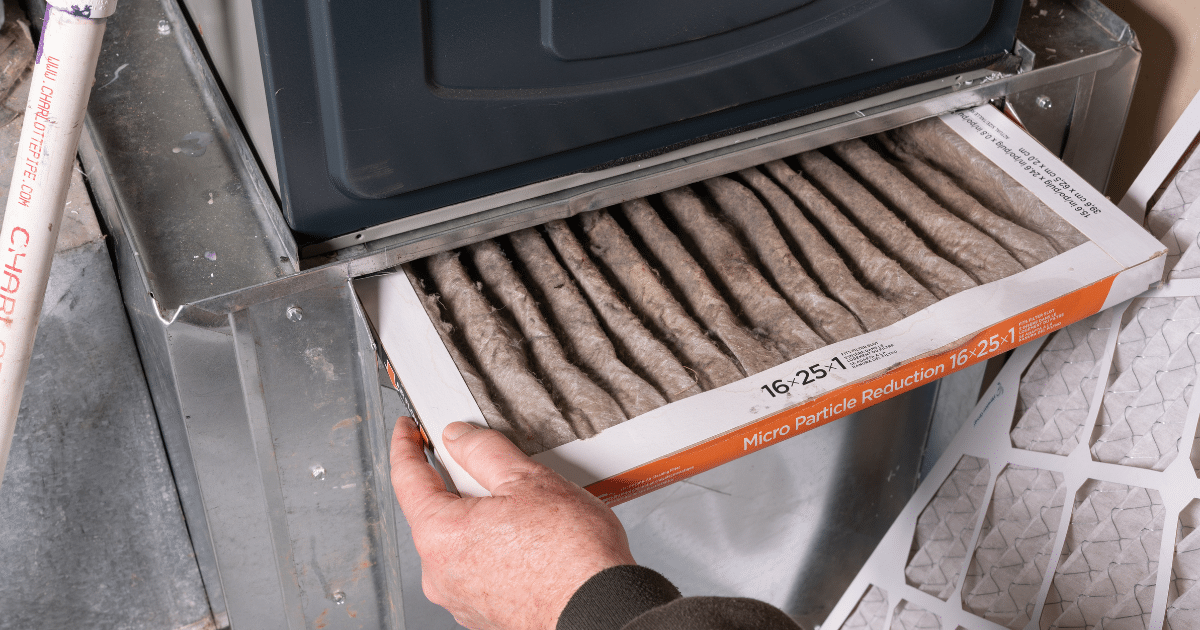
A dirty furnace filter restricts airflow, forcing the system to work harder. In some cases, the filter may start burning, creating a smoky odor.

Fix It:

  • Check your air filter every month – replace it if it looks dirty.
  • Regular filter changes prevent overheating and improve indoor air quality.

4. Worn or Damaged Insulation

Over time, the protective insulation around electrical components can wear down. This may cause a burning smell when the furnace runs.

What To Do:

  • If you smell burning rubber or fabric, turn off your furnace and call a technician.
  • Ignoring worn insulation can lead to electrical fires or system damage.

What To Do When Your Furnace Smells Like It’s Burning

  1. Turn off your furnace if the smell is persistent or unusual.
  2. Check your air filter – replace it if clogged.
  3. Listen for strange noises – these could indicate mechanical failure.
  4. Check for smoke or sparks. If you see any, evacuate immediately.
  5. Contact a professional HVAC technician for a furnace safety inspection.

Stay Safe with ProThermal Heating and Cooling

A burning smell from your furnace is not something to ignore. Whether it’s a simple dust burn-off or a serious safety issue, our expert technicians can quickly diagnose and fix the problem.

Call ProThermal today to schedule your furnace maintenance and safety checks!

Attic Insulation vs. Heating Costs: How Much Can You Save?

As heating bills climb, many homeowners wonder if poor attic insulation is to blame. When your attic isn’t insulated, your heater has to work twice as hard. This constant strain is a leading cause of mechanical breakdowns that require professional furnace repair to fix.

Understanding how attic insulation impacts heating costs can help you make informed decisions to improve your home’s energy efficiency and comfort. In this guide, ProThermal Heating and Cooling will explain the connection between attic insulation and heating bills, explore insulation options, and show how you can save on energy costs.

How Attic Insulation Impacts Your Heating Bills

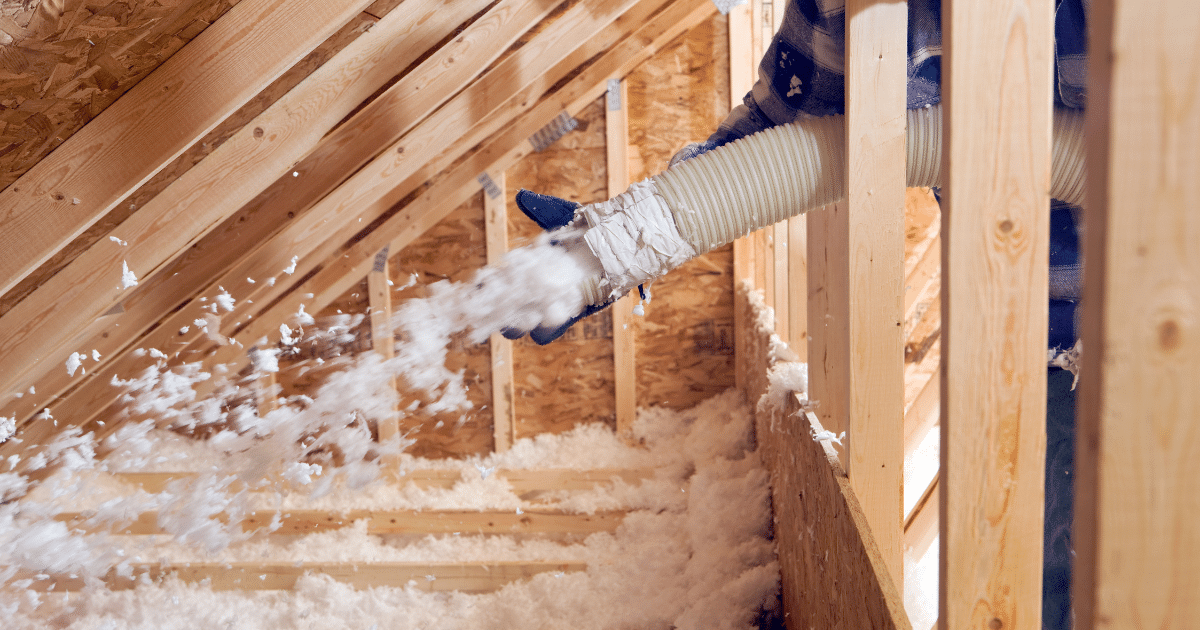
Up to 40% of the heated air in your home can escape through the attic, especially if insulation is outdated or inadequate. This forces your heating system to run longer and consume more energy, leading to higher bills and uneven temperatures throughout your home.

Signs that your attic insulation may be insufficient include:

  • Uneven temperatures between rooms
  • Ice dams frequently form on your roof
  • Drafty areas near ceilings

Proper attic insulation creates a thermal barrier that retains warmth during the winter, reducing strain on your heating system and lowering energy costs.

Common Types of Attic Insulation

Different types of insulation offer varying levels of efficiency, measured by R-value – a higher R-value means better insulation.

Common options for attic insulation upgrades include:

1. Fiberglass Batts

  • What It Is: Pre-cut panels of tiny glass fibers, designed to trap air and resist heat flow.
  • How It Works: These panels fit snugly between attic joists, creating a layer of insulation that slows heat transfer.
  • Pros: Affordable, lightweight, and easy to install, making it a popular choice for DIY enthusiasts.
  • Best For: Straightforward installations in accessible attics with standard joist spacing.

2. Blown-In Cellulose

  • What It Is: Loose-fill insulation made from recycled paper products, treated with fire retardants for safety.
  • How It Works: Installed using specialized equipment that blows the materials into hard-to-reach areas, ensuring even coverage.
  • Pros: Excellent for filling gaps and irregularly shaped spaces, and it’s an eco-friendly option.
  • Best For: Attics with complex layouts, tight corners, or spaces where existing insulation needs supplementing.

3. Spray Foam Insulation

  • What It Is: A liquid material that expands upon application to create a dense, airtight barrier.
  • How It Works: The foam fills cracks, crevices, and gaps, forming a seamless layer of insulation that also acts as a vapor barrier.
  • Pros: Offers the highest R-value per inch, provides superior air sealing, and reduces drafts dramatically.
  • Best For: Homes with high energy-loss areas or those needing long-term insulation performance.

4. Radiant Barriers

  • What It Is: Highly reflective insulation, usually made from aluminum foil, that reflects radiant heat rather than absorbing it.
  • How It Works: Installed on the underside of your roof, radiant barriers reduce heat by reflecting sunlight away from the home.
  • Pros: Particularly effective in reducing cooling costs in hot climates by keeping attics cooler.
  • Best For: Homes in warmer climates or as a supplement to traditional insulation types.

Factors That Influence Energy Savings

According to the Environmental Protection Agency (EPA), upgrading attic insulation can reduce heating costs by up to 15%. Your actual savings depend on several factors, including:

  • Condition of Current Insulation: Upgrading from poor-quality insulation provides the greatest savings.
  • Local Climate: Homes in colder regions, like Tulsa’s winter season, see higher reductions in heating costs.
  • Home Size: Larger homes lose more energy, increasing potential savings from insulation upgrades.
  • Heating System: High-efficiency furnaces combined with modern insulation can improve savings by 20 to 25%, while older systems may limit savings to 10 to 12%.
  • Installation Quality: Professional installation ensures there are no gaps or weak spots for heat to escape.
  • Insulation Type: Higher R-value materials typically result in greater long-term energy savings.

Why Professional Installation Matters

While some types of insulation are DIY-friendly, professional installation is often the best choice for long-term results. Trained experts can:

  • Assess your home’s unique needs.
  • Recommend the most effective insulation materials.
  • Ensure proper installation without gaps or weak points.

This guarantees maximum energy savings and comfort for your home.

Save on Heating Costs with ProThermal Heating & Cooling

Trust ProThermal for all your attic insulation needs. Insulation is only half the battle. To ensure your home stays warm all winter, combine great insulation with a reliable heating system. If you’re experiencing uneven temperatures, schedule your furnace repair in Tulsa or the surrounding areas today.
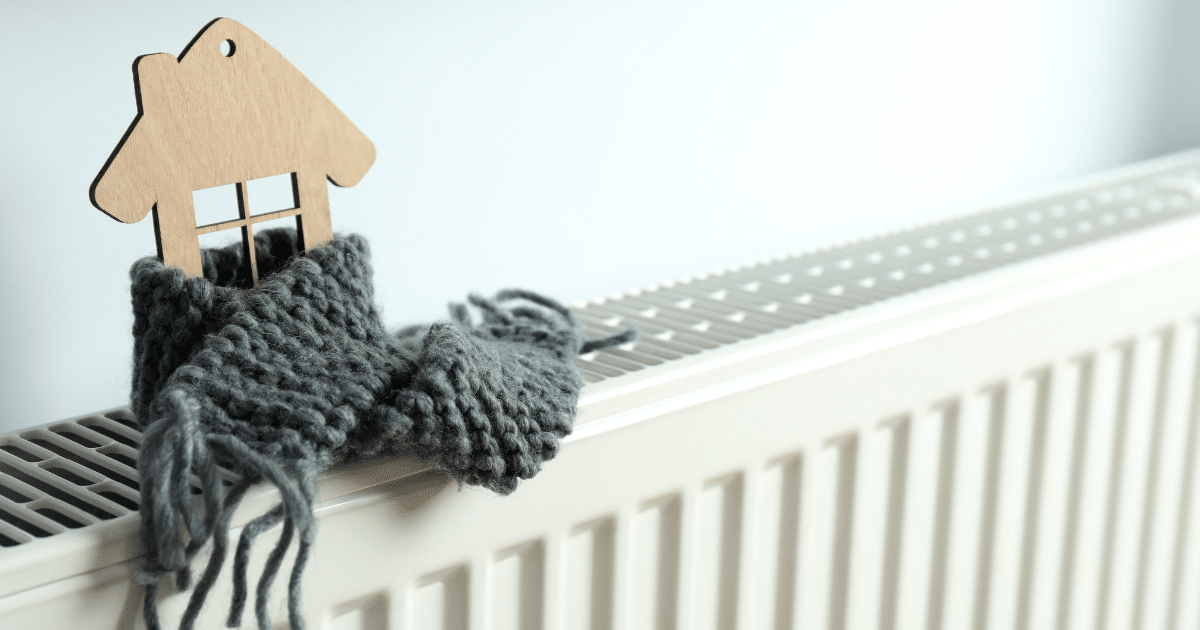
Our certified technicians can evaluate your current insulation, recommend cost-effective solutions, and ensure proper installation for lasting results.

Ready to start saving? Call us to schedule your attic insulation service and take the first step toward a warmer, more energy-efficient home.

3 HVAC Upgrades to Reduce Heating Costs

Winter is well on its way, and as temperatures drop, keeping your home warm can quickly become expensive. The good news? A few HVAC upgrades can significantly lower your heating costs without taking away from your comfort. With the right improvements, you’ll enjoy a cozier home and lower utility bills all season long.

Here are three cost-saving tips that ProThermal Heating and Cooling recommends for Oklahoma homeowners.

What Causes Heating Costs to Rise in Winter?

Many homeowners see their heating bills spike during the colder months, often due to:

  • Outdated equipment
  • Lack of maintenance
  • Poor insulation

Fortunately, you can consult with an HVAC professional to inspect your heating equipment, and recommend upgrades to improve your home’s efficiency and comfort.

How Outdated HVAC Systems Drive Up Costs

Even well-maintained systems lose efficiency over time. As technology advances, newer models are designed to be far more energy-efficient than their predecessors. If your HVAC system is over 10-15 years old, you may be paying more than necessary to keep your home warm.

Upgrading components like your furnace or heat pump can lead to substantial savings, both immediately and in the long run.

3 HVAC Upgrades to Reduce Heating Costs

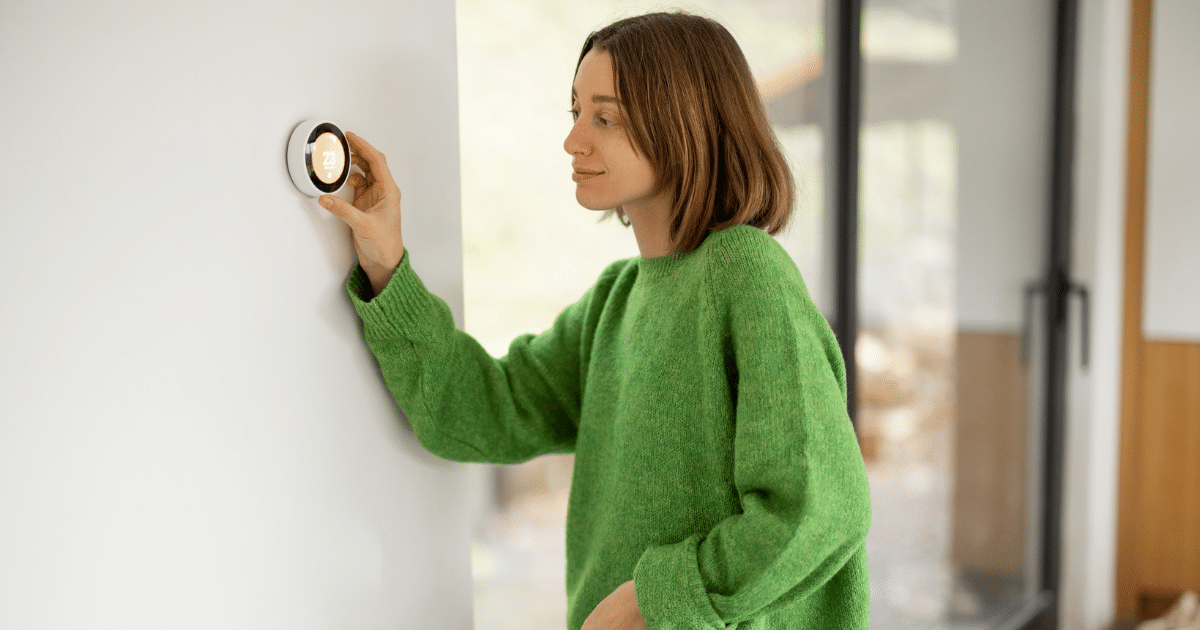
1. Install a Smart Thermostat

Smart thermostats, like the popular Nest or Ecobee models, allow you to program temperature settings based on your daily schedule. These devices can:

  • Automatically lower the temperature when you’re asleep or away from home.
  • Provide energy usage reports to help you identify savings opportunities.
  • Be controlled remotely via smartphone, giving you flexibility and control over your heating system.

2. Switch to Zoned Heating

Whole-house heating wastes energy by warming areas you’re not using. Zoned heating systems let you divide your home into sections, each with its own temperature control. For example, you can keep living spaces warm while lowering the temperature in unused bedrooms.

3. Upgrade to Energy-Efficient HVAC Equipment

Modern heating systems with higher Seasonal Energy Efficiency Ratio (SEER) ratings use less fuel or electricity to produce the same amount of heat. Upgrading to a high-efficiency furnace or heat pump can dramatically reduce your monthly heating bills while improving overall comfort.

What Savings Can You Expect From HVAC Upgrades?

  • Immediate Savings: Switching to a smart thermostat or zoned heating system allows you to start saving on energy costs as soon as you adjust your settings.
  • Long-Term Savings: Replacing outdated equipment with energy-efficient models can lower your monthly heating bills for years to come. Upgraded insulation and other efficiency improvements further reduce costs by preventing heat loss.

How to Choose the Right HVAC Upgrades for Your Home

When deciding on HVAC upgrades, you’ll want to consider:

  • The initial investment for equipment and installation.
  • The potential energy savings over time to justify the cost.
  • Your home’s unique needs as it comes to size, layout, and typical heating habits.

Call ProThermal Heating and Cooling for an Efficiency Boost

Winter doesn’t have to come with sky-high energy bills – let ProThermal help you make the right choices for your home.

Call us today to schedule a consultation with one of our trained HVAC technicians!

How To Fix Uneven Heating and Cooling in Your Home

Dealing with uneven heating and cooling throughout your home is undoubtedly frustrating, but the good news is that there are multiple ways to resolve it. Knowing what causes these issues and how to address them can help you maintain optimal comfort in your residence.

At ProThermal Heating and Cooling, our licensed HVAC professionals bring years of experience serving the Tulsa, OK area. Below, we cover the top solutions to help you address uneven heating and cooling.

Common Causes of Uneven Heating and Cooling

Temperature imbalances not only affect comfort but can also lead to higher utility bills. Common reasons for this issue include:

  • Leaky ductwork
  • Blocked or obstructed air vents
  • Drafts around windows and doors
  • Thermostats giving inaccurate readings

Tips on Fixing Uneven Heating and Cooling

While some issues require professional help, there are a few simple troubleshooting steps you can try to improve airflow and comfort in your home.

Air Balancing

Air balancing involves adjusting the vents in different rooms to direct airflow where it’s needed most. For example, closing vents in rooms that are rarely used can help redirect conditioned air to the areas you spend the most time in.

Change the Air Filter

A dirty air filter can restrict airflow, causing uneven temperatures. Replace your HVAC filter at least once every three months, or when needed, to ensure consistent airflow throughout your home.

Adjust Your Thermostat

Switching your thermostat’s setting from “AUTO” to “ON” can help circulate air more evenly throughout your home, even when the heating or cooling cycle is off.

When To Call an HVAC Professional

Some issues, like poor insulation or improperly sized HVAC systems, require a professional’s expertise. Here are some situations where it’s best to call in an expert:

  • Ductwork Inspection. Leaky or poorly installed ductwork can lead to temperature imbalances, excess dust, and high humidity.
  • HVAC System Upgrade. If your system is outdated or improperly sized, it may struggle to maintain consistent temperatures, making your home uncomfortable and less energy efficient.
  • Zoned Heating and Cooling. A zoned HVAC system allows you to control the temperature in different areas of your home instead of using one thermostat for the whole property.

Get Expert Help From ProThermal

If you’re dealing with uneven heating and cooling in the Tulsa, OK area, ProThermal Heating and Cooling has the solutions you need.

From air sealing to installing zoned heating systems, we’re here to help. Call us today to schedule an appointment and start enjoying a more comfortable home.

Benefits of Upgrading Your HVAC System in the Fall

You’ll likely need your HVAC system repaired every few years, but there will come a time when it breaks down for the last time and you must replace it. Though you can’t know when this will happen, try to time it so you’ll be upgrading your HVAC system in the fall to take advantage of many benefits.

ProThermal Heating and Cooling can help you upgrade your HVAC system to improve comfort and give you lower energy bills. Call today if you’re ready for a new system!

Why Fall Is Ideal for Upgrading Your HVAC System

Upgrading your HVAC system can happen whenever you need it to, but waiting for fall will give you many benefits:

  • HVAC technicians have more time: Technicians are busy in the summer repairing air conditioners and in the winter repairing furnaces. They slow down in the fall, so you can easily schedule with the HVAC company of your choice.
  • Financial preparation: Aside from budgeting, you can also check around for government programs offering tax breaks and other financial incentives promoting energy efficiency.
  • No surprise heating issues: If you replace your furnace in the fall, you’re guaranteed to have a warm winter. New systems rarely fail on their first run, so you can be confident you’ll feel toasty all winter long.
  • Seasonal discounts: You may be able to find seasonal discounts from manufacturers or HVAC companies since it’s a slower season for HVAC usage.

Benefits to Consider When Upgrading Your HVAC System

Upgrading your HVAC system will provide a range of benefits you should consider before you choose the one you want.

For starters, updated technology will provide the best energy efficiency available, allowing you to have lower energy bills than you’ve had with your older system.

A new system will also give you better comfort and indoor air quality, as the ducts aren’t covered in dust and grime from the years before. Not only will you feel warmer, but you’ll get to breathe easier, too.

A brand-new system will increase your home value. If you plan on moving next year, use the fall to pick the best HVAC system you can afford to increase how much you can sell your home for.

How To Prepare for Your Installation

During an HVAC upgrade, your contractor will remove the old unit, install the new one, and test everything to make sure it works properly.

You can help this go more smoothly with careful preparation:

  • Move any furniture or other objects out of the way.
  • Think about where you can take children and pets during the installation.
  • Call ahead to ask what the HVAC contractor might need from you.

Choose ProThermal Heating and Cooling

If you’re considering upgrading your HVAC system this fall, call ProThermal Heating and Cooling or schedule with us online.

If you’re unsure what kind of HVAC system you should upgrade to, our expert technicians can help you decide based on your budget, needs, and the square footage of your home. We promise a 1-hour arrival time, so when you’re ready for a new furnace, we’ll be there soon!

What Is Wrong With My Furnace?

furnace being repaired Broken Arrow, OK

If you’re experiencing issues with your furnace you need reliable services for your heating installation in Broken Arrow, OK. Whether it’s new or serving your home for years, understanding the most common problems helps you identify and fix them as soon as possible.

Common Furnace Problems

One of the first signs of a malfunctioning heating system is uneven heating throughout your home. If some rooms are too warm while others are too cold, check for issues with your furnace’s blower motor, air filters, or ductwork.

Getting regular heating maintenance helps prevent these issues keeping all components of the system clean and functioning error-free. Scheduling annual tune-ups with a professional can keep your heating system running efficiently.

Unusual noises coming from your furnace are another common problem. Banging, rattling, or squealing sounds mean various issues. They can be loose components, a failing motor, or problems with the ignition.

Addressing these noises with professional heating repair is crucial. Ignoring them leads to more severe damage and costly repairs. A qualified technician can diagnose the source of the noise and perform the necessary fixes to restore quiet operation.

Sometimes, a furnace may fail to turn on or cycle on and off. This issue can be due to a malfunctioning thermostat, electrical problems, or a clogged filter. Heating services can provide a thorough inspection to identify the cause and do proper system maintenance. Regularly changing filters and checking thermostat settings can also help maintain optimal performance.

Replacing Your Furnace

In some cases, older furnaces may struggle to maintain efficiency despite regular maintenance. If your furnace is more than 15 years old and requires frequent fixes, it’s time for a heating replacement.

Upgrading to a new, energy-efficient model can improve efficiency, reduce energy bills, and provide better reliability. Consulting with a heating professional can help you choose the best replacement option for your home.

Understanding these common issues and how to resolve them will help you maintain an efficient and reliable furnace. Your partner for proper installation, maintenance, and repairs is Pro Thermal Heating & Cooling. Call us today for expert HVAC services trusted by the local community.

Common Issues Heat Pumps Suffer From

Two air source heat pumps installed outside Tulsa, OK

Your new heating installation in Tulsa, OK can be any of the different heater types in the market. Heat pumps are a popular choice for their energy efficiency and ability to provide heating and cooling. Like any other system, they can experience issues that affect performance. Proper maintenance is key to its long life and maximum efficiency.

Heat Pump Issues To Watch Out For

One frequent issue with heat pumps is inadequate heating or cooling. This is often due to poor heating maintenance.

Regular maintenance, such as cleaning filters, checking refrigerant levels, and inspecting ducts, makes sure the system operates efficiently. Neglecting them leads to reduced performance and higher energy bills. Regular heating maintenance prevents these problems and extends the lifespan of the heat pump.

Another common problem is unusual noises coming from the heat pump. These can mean various issues, such as loose components, debris, or failing parts. Professional heating services can diagnose and fix these noises. Quick action will help the system run smoothly. This is effective in preventing severe damage and costly repairs.

Heat pumps can also suffer from frequent cycling, where the system turns on and off too often. This issue can be from a malfunctioning thermostat, low refrigerant levels, or airflow problems. Get heating repair ASAP to address frequent cycling. It can lead to increased wear and tear on the system, reducing its efficiency and lifespan.

Beyond Repairs Or Maintenance

In some cases, older heat pumps may struggle to maintain efficiency, even with regular maintenance and repairs. In these situations, homeowners might need to consider heating replacement. You will still need professional installation to make sure it is error-free with the right specifications.

Upgrading to a newer, more efficient model provides better performance and lower energy costs. They often come with advanced features that improve comfort and control over the indoor environment.

Understanding these common issues and addressing them right away extends the lifespan of your system. It maintains high efficiency too.

Call Prothermal Heating and Cooling today for expert heat pump repairs and replacement. We handle all major services from installation to maintenance.

Does The Broken Arrow Climate Have An Impact On Your Heating System?

Skyline in Broken Arrow, OK

Broken Arrow, OK has a climate range from mild winters to cold weather with some snow. These weather changes can affect your heaters. Make sure your heating installation in Broken Arrow, OK has the right maintenance and protection to keep it tiptop shape.

ProThermal Heating and Cooling is the top local HVAC services company. We remind our clients all the time about the advantages of proper and regular system maintenance. This includes the external forces of nature and its possible effects. It pays to be more proactive to avoid hassles and extra costs in late repairs.

CLIMATE AND WEATHER EFFECTS ON A HEATING SYSTEM

Strain Caused by Cold Weather

Broken Arrow is not free from cold snaps despite not having too many long winters. Sudden temperature changes can add strain to your heating system and disrupt its balance. It works harder than usual to maintain the right temperature. This extra strain causes wear and tear and leads to damage and sudden breakdowns.

Fluctuations in Humidity

The local climate can bring changes in humidity levels too. This affects your heating system’s performance and indoor air quality.

Low humidity also adds strain to your heating system to work harder and may lead to dry air. This can cause health issues such as dry skin and respiratory problems.

Proper heating maintenance is part of the upkeep. Also, adding humidifiers can help regulate humidity levels and improve air quality.

Effects On Energy Efficiency

A well-maintained heating system can adapt to temperature fluctuations and sudden weather changes. This means the mechanisms are at their peak and have no strain or developing issues. Any weakness in the system can become more pronounced with temperature fluctuations and weather changes in Broken Arrow. It can reduce its energy efficiency.

Regular heating services keep problems away and fix any minor issues at once. An efficient unit withstands minor external effects. This saves you on utility bills and any unwanted surprise issues when you’re using your heater.

BEING PREPARED FOR WEATHER CHANGES

A strong and well-maintained heating system can work without strain and withstand weather changes. It can work through, unaffected by temperature, humidity, and air pressure changes.

This will help you be prepared when there are changes outside that can reach your heater.

The industry suggests an annual tune-up for heaters and HVAC appliances to attain peak performance at all times. It will also extend its lifespan and level of efficiency.

As an additional boost, minor maintenance steps also help get to that 100% peak performance level. Simple tasks include cleaning and replacing filters, cleaning and clearing ductwork, and always making sure of proper ventilation. These help your system handle the climate variations without a problem.

Pro Thermal Heating and Cooling is the local expert for HVAC maintenance and tune-ups. You can rely on our experts to take care of all types of heaters for residences and businesses.

Call us today and get it done sooner than later. Your heating and HVAC devices will thank you.

Improving Indoor Air Quality Through Heating System Maintenance

AC vents

Your heating system plays a crucial role in maintaining comfort during the colder months, but did you know it can also impact your indoor air quality (IAQ)? Regular maintenance of your heating system is key to ensuring the air in your home remains clean and healthy. As the top provider of heating installation in Tulsa, OK, Pro Thermal takes great pride in being your source of top-quality heating and cooling services.

Here are some important aspects of heating system maintenance that can improve your indoor air quality.

Clean Air Filters

Air filters trap dust, pollen, and other airborne particles, preventing them from circulating throughout your home. Over time, these filters can become clogged, reducing airflow and straining your heating system. Replacing or cleaning your air filters during heating maintenance routines can improve IAQ and keep your system running efficiently.

Inspect Ductwork

Your heating system relies on ductwork to distribute warm air throughout your home. Damaged or dirty ducts can introduce dust, mold, and other contaminants into your living spaces. Regularly scheduling heating services and having your ductwork inspected and cleaned can prevent these issues and ensure the air you breathe is clean and fresh.

Control Humidity Levels

Excess moisture in your home can lead to mold growth and other allergens. Your heating system can help regulate indoor humidity levels, but only if it’s properly maintained. By ensuring your heating system is functioning efficiently, you can better control humidity and maintain healthy indoor air quality.

Check for Gas Leaks

If you have a gas-powered heating system, regular maintenance is essential for safety and IAQ. Gas leaks can lead to dangerous levels of carbon monoxide in your home, posing a serious health risk. A professional heating replacement and repair technician can check your system for leaks and other issues, ensuring your safety.

Maintain Ventilation

Proper ventilation is crucial for maintaining indoor air quality. Heating system maintenance can help ensure your home’s ventilation system is working effectively. This includes checking for blockages, cleaning vents, and ensuring exhaust systems are clear.

Improving your indoor air quality starts with regular heating system maintenance. Let the heating repair experts at Pro Thermal Heating and Cooling take care of your heating system to ensure optimal performance and clean, healthy air in your home. Send us a message today to schedule your next maintenance appointment!