
Get Pre-Approved
Skip to main content

Author: Kevin

How to Keep Your AC from Overheating in Hot Weather

When summer temperatures soar, your air conditioner works overtime to keep your home comfortable. But just like a car engine, your AC system can overheat if pushed too hard, especially during an Oklahoma heatwave. An overheated AC not only struggles to cool your home efficiently, but it can also lead to costly repairs or even system failure.

To help you avoid a breakdown during the hottest days of the year, the team at ProThermal Heating and Cooling has put together practical tips to prevent your AC from overheating and extend its lifespan.

Change Your Air Filter Regularly

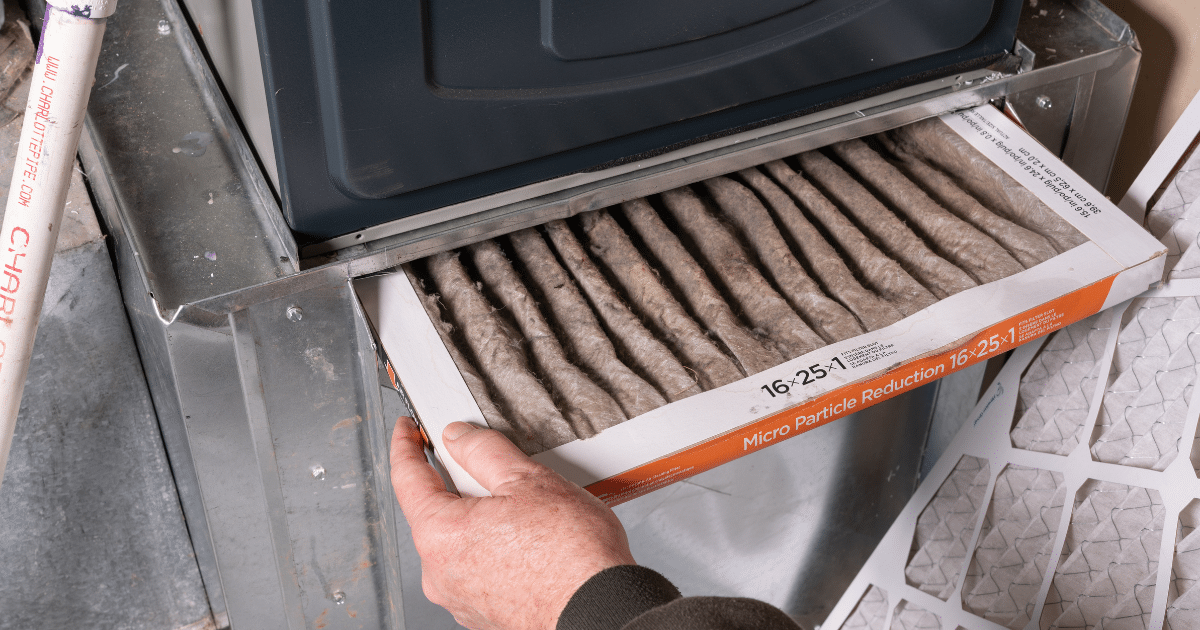
One of the most common causes of AC overheating is a dirty air filter. When the filter is clogged with dust and debris, it restricts airflow, forcing your system to work harder to push cool air through. This added strain can lead to overheating. Make it a habit to check your air filter every 30–60 days and replace it when needed, especially during peak cooling season.

Keep the Outdoor Unit Clean and Clear

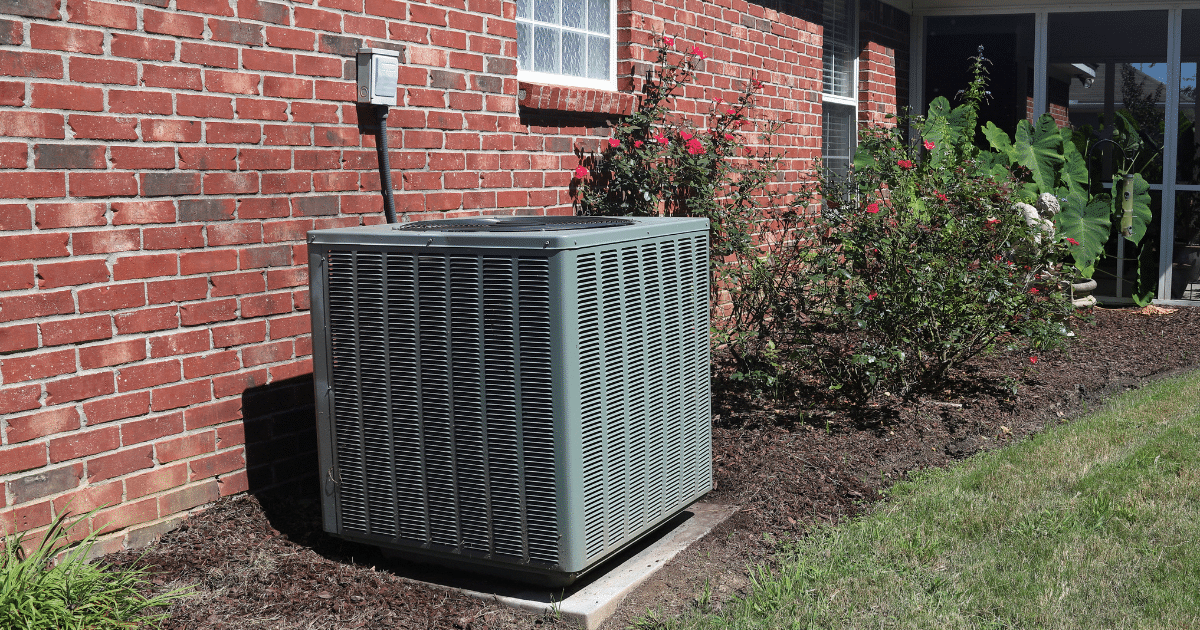
Your AC’s outdoor condenser unit plays a crucial role in releasing heat from your home. If it’s surrounded by leaves, dirt, or overgrown plants, it can’t function efficiently. To prevent overheating, keep at least 2 feet of space around the unit clear, and gently hose it down to remove dirt or debris buildup.

Schedule Regular Maintenance

Routine professional maintenance is one of the best ways to protect your AC from overheating. During a tune-up, our technicians will clean essential components, check refrigerant levels, inspect electrical connections, and ensure your system is operating at peak performance. A well-maintained unit is far less likely to overheat or break down unexpectedly.

Use a Programmable Thermostat

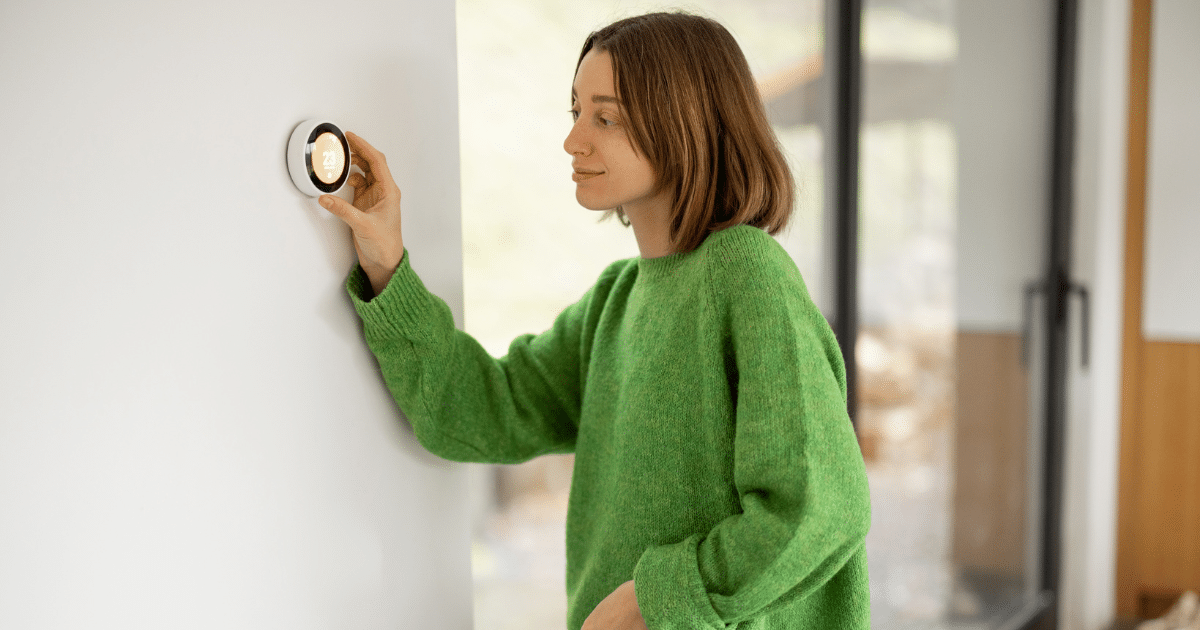
A programmable or smart thermostat allows you to control your indoor temperature more efficiently. By setting the thermostat to raise the temperature when you’re not home, you reduce the load on your AC. This gives your system a break during the day and helps prevent constant strain that can lead to overheating.

Seal Air Leaks and Improve Insulation

If your home isn’t properly sealed, your AC has to work harder to maintain the desired temperature. Check for air leaks around windows, doors, and ductwork. Improving insulation and sealing leaks can help keep cool air inside and reduce the demand on your system.

Avoid Blocking Vents

Blocked or closed vents can restrict airflow and disrupt your AC’s efficiency. Make sure furniture, curtains, or rugs aren’t covering any air supply or return vents throughout your home. Free-flowing air helps your AC cool more evenly and prevents system strain.

Keep Up With AC Maintenance to Prevent Overheating 

Your AC system is your best defense against sweltering summer heat, but it needs proper care to function reliably. By following these simple tips, you can help prevent your AC from overheating, reduce energy costs, and stay cool all season long.

Need help keeping your AC in top shape? Contact ProThermal Heating and Cooling today to schedule maintenance or speak with a cooling expert. We’re here to keep you comfortable—no matter how hot it gets.

Do HVAC Maintenance Plans Save You Money, or Waste It?

Are HVAC maintenance plans truly worth the investment, or are they just another upsell?

It’s a question many homeowners ask when considering whether to commit to one. The truth is, the answer isn’t black and white. While maintenance plans offer clear benefits in certain scenarios, they may not always be the best choice for everyone.

This blog will break down what HVAC maintenance plans entail, their potential cost-saving benefits, and when they might NOT be worth it. Plus, we’ll highlight how ProThermal’s approach makes their maintenance plan both practical and budget-friendly.

What’s Included in Most HVAC Maintenance Plans

Before we explore whether an HVAC maintenance plan is “worth it,” it’s important to understand what’s generally included in such plans. Every provider differs slightly, but most plans bundle some or all of the following:

  • Biannual Tune-Ups: Usually scheduled for spring (AC) and fall (heating). These check-ups ensure your system runs efficiently before peak cooling or heating seasons.
  • Priority Scheduling: When your system fails during extreme weather, customers on a maintenance plan usually jump to the top of the repair scheduling list.
  • Discounts: Subscribers often receive reduced rates on service calls, replacement parts, or additional repairs.
  • System Checks and Cleaning: Plans often include comprehensive safety inspections, performance tests, and cleaning services to keep your unit operating smoothly.

ProThermal takes it a step further. Unlike competitors that pad their maintenance plans with costly “extras” you don’t need, ProThermal focuses only on what truly helps your HVAC system perform better and last longer.

How Maintenance Plans Save You Money

Maintenance plans aren’t just about peace of mind; they can result in tangible savings for your home. Here’s how they work:

1. Preventing Major Repairs

Imagine catching a refrigerant leak or a failing capacitor during a routine tune-up. Addressing these issues early could cost you $150–$200 with a maintenance plan instead of $800-$1,200 for an emergency repair after a breakdown.

2. Lowering Monthly Energy Bills

A dirty, inefficient system needs to work harder to heat or cool your home. Regular cleanings and inspections keep your HVAC running efficiently, cutting energy usage and lowering monthly utility costs. According to the U.S. Department of Energy, a well-maintained HVAC system can reduce energy use by 15% to 20%.

3. Extending Your System’s Life

It’s no secret that a neglected system won’t last as long as a well-maintained one. Replacing an HVAC system can easily cost $5,000 or more. Regular tune-ups can add years of life to your unit, delaying that expense.

4. Protecting Your Warranty

Many HVAC manufacturers require proof of regular maintenance to honor their warranties. Forget those tune-ups, and you risk losing coverage if something goes wrong.

When a Maintenance Plan Might Not Be Worth It

Despite their benefits, maintenance plans aren’t necessary for everyone. Here are scenarios where a plan might not justify the cost:

  1. Your System Is Brand New: If you’ve recently installed a brand-new HVAC system, it’s likely under warranty and doesn’t require as much maintenance (aside from basic care like filter changes). However, as your system ages, a maintenance plan could later become invaluable.
  2. You’re an HVAC DIY Pro: If you’re already diligent about changing filters, cleaning coils, and performing other basic maintenance tasks, you may not need annual professional tune-ups.
  3. You’re Selling Your Home Soon: If you’re planning to sell your house, the long-term benefits of an HVAC maintenance plan might not pay off. However, a one-time seasonal tune-up still makes sense to ensure your HVAC system is in good shape for potential buyers.

Why ProThermal’s Plan Is Different

Not all HVAC maintenance plans are created equal, and ProThermal’s plan stands out from the pack. Here’s what makes it different:

  • No Bloated Promises: ProThermal prioritizes offering only the essentials that genuinely boost performance and system longevity.
  • Clear Pricing: You’ll never encounter hidden fees or aggressive upsell tactics.
  • Local Experts: ProThermal’s team understands Tulsa’s unique climate challenges and knows your system like the back of their hand.
  • Customized for Your Needs: Unlike one-size-fits-all plans, ProThermal’s services are tailored to suit your home and environment.

When you choose ProThermal, you’re not just buying a plan; you’re partnering with a team of pros who genuinely care about keeping your home comfortable.

Real-World Math: What Savings Look Like

Still wondering if a maintenance plan can save you money? Here’s a quick example:

  • Scenario 1 (No Plan): You skip routine maintenance and your AC capacitor fails. The emergency repair call costs $300 if it breaks during peak summer.
  • Scenario 2 (With Plan): You pay $150 for a maintenance plan and catch the failing capacitor early. This early fix avoids peak-season pricing and further system strain, extending the unit’s life.

The result? Choosing the maintenance plan saves $150 in this example. Factor in lower energy bills and increased system longevity, and the savings grow even more over time.

Your Home, Your Comfort, Your Call

When it comes to maintenance plans, the key is to weigh the short-term costs against the long-term savings and peace of mind. For many homeowners, the numbers speak for themselves.

If you’re still on the fence, ProThermal can help you decide. Our team is happy to break down the math for your specific situation, no strings attached. Contact us today to learn more or sign up before the next season gets underway!

Don’t forget to tune in to Complete Home Comfort, your go-to weekly radio show for expert advice on keeping your home comfortable, saving energy, and cutting costs. Catch us every Saturday at 12 PM and Sunday at 8 AM on KRMG!

What To Do When Your AC Is Blowing Warm Air

You turn on your air conditioner expecting crisp, cool air, but instead, you’re hit with a wave of warm air from the vents.

When your AC is blowing warm air, it’s a sign something’s not working right. Whether it’s a quick fix or a more serious repair, knowing how to respond can help you avoid bigger problems and restore comfort fast.

At ProThermal Heating and Cooling, we help Tulsa homeowners quickly identify and resolve AC issues before they turn into expensive breakdowns. Here’s what you need to know.

Common Causes of Warm Air Blowing From Your AC

There are several reasons why your air conditioner might stop cooling. Some are simple to fix, while others require professional diagnosis. Common causes include:

Incorrect Thermostat Settings

It happens more often than you think. Your thermostat may be set to “heat” or the fan set to “on” instead of “cool” and “auto.” This causes your system to circulate air without actually cooling it.

Tripped Circuit Breaker

A tripped breaker can shut off the outdoor condenser unit while the indoor fan continues to blow air, resulting in warm airflow.

Dirty Air Filter

Clogged filters restrict airflow, prevent efficient cooling, and can eventually cause parts like your evaporator coil to freeze.

Frozen Evaporator Coils

When airflow is restricted, the coils inside your unit can freeze up. This blocks the cooling process and may cause warm air or no airflow at all.

Low Refrigerant Levels

Low refrigerant (or a leak) prevents your AC from removing heat from the air. Signs include ice buildup, hissing sounds, or a chemical odor.

What You Can Try Before Calling for Service

If your AC unit is blowing warm air, start with these simple steps:

  • Check your thermostat and make sure it’s set to cool and auto
  • Set the temperature between 60–75°F for proper cycling
  • Inspect your breaker panel – if a breaker has tripped, turn it fully off before switching it back on
  • Replace your air filter if it looks dirty or clogged
  • Clear any debris from around the outdoor condenser unit, including leaves or grass buildup

If your system doesn’t start cooling after these steps, it’s time to bring in an HVAC pro.

When To Call a Professional

Some AC issues should never be handled on your own. Call ProThermal if:

  • You hear hissing, smell refrigerant, or see ice on the refrigerant line
  • The unit continues blowing warm air after checking settings and replacing the filter
  • Your system frequently cycles on and off or doesn’t respond at all
  • The evaporator coil keeps freezing, even after filter changes

These symptoms may signal refrigerant leaks, compressor issues, or electrical problems, all of which require trained, certified HVAC professionals.

Keep It From Happening Again

The best way to avoid warm air problems? Routine maintenance. Regular AC tune-ups help prevent airflow restrictions, refrigerant leaks, and overheating.

We recommend:

  • Replacing filters every 1-3 months
  • Scheduling seasonal AC maintenance before peak summer
  • Keeping the outdoor unit clean and clear
  • Installing a smart thermostat to catch temperature swings early

Restore Comfort With ProThermal Heating and Cooling

When your AC is blowing warm air, don’t sweat it – just call ProThermal Heating and Cooling at (918) 212-0258 for fast, expert AC repair in Tulsa and the surrounding areas. We’ll get your system back to blowing cool, clean air in no time.


Want more tips, HVAC advice, and local insights? Listen to our radio show, Complete Home Comfort, on KRMG. We cover all things heating, cooling, and home comfort solutions.

Why Is My Energy Bill Higher Than Usual?

Does your utility bill keep creeping up, even though your habits haven’t changed?

If you’re constantly wondering why your energy bill is so high, you’re not alone. Many homeowners across Tulsa and the surrounding areas are surprised by sudden spikes in their energy costs – and most don’t realize that small issues in the home can lead to big utility bills.

At ProThermal Heating and Cooling, we help homeowners track down the source of energy waste and restore both comfort and efficiency. Here’s what might be driving up your bill, and what you can do to bring it back down.

HVAC Problems That Drive Up Energy Bills

Your heating and cooling system is often the biggest energy consumer in your home. When something’s off, it has to work harder – and that effort shows up on your utility bill.

Here are some common HVAC issues that lead to high energy use:

  • Dirty or clogged air filters reduce airflow and force your system to run longer to maintain comfort.
  • Leaky ductwork lets your heated or cooled air escape into attics or crawl spaces before it ever reaches your living areas.
  • Older or outdated HVAC systems are less efficient, often running longer than necessary just to keep up with temperature demands.
  • Malfunctioning thermostats can cause your system to cycle on and off more frequently than needed, wasting energy throughout the day.

If your HVAC system hasn’t been serviced in awhile, or is over 10 years old, it could be the main reason your energy bills keep rising.

Poor Insulation Can Be Costing You

Insulation is one of the most overlooked contributors to energy efficiency, especially in older Tulsa homes. Without proper insulation in your attic, walls, or crawl spaces, it’s nearly impossible to keep your home at a steady, comfortable temperature.

When insulation is lacking, you may notice:

  • Uneven temperatures between rooms
  • HVAC systems running constantly
  • Hot or cold spots throughout your home

In short, your heating or cooling system ends up doing all the work that insulation is supposed to help with – leading to higher energy usage and higher utility bills. Investing in insulation improvements can lower your monthly costs and extend the life of your HVAC system.

Everyday Habits That Waste Energy

It’s not just your HVAC system or insulation… Daily habits can also add up to major energy loss over time.

Do any of these sound familiar?

  • Leaving lights, TVs, or electronics on when not in use
  • Running the dishwasher or laundry during peak hours
  • Forgetting to close doors and windows while the HVAC is running
  • Ignoring small air leaks around windows, vents, or door frames

Simple changes like using appliances during off-peak times, sealing air leaks, and turning off unused electronics can make a noticeable difference. The more efficient your habits, the more your home (and energy bill) benefit.

Let ProThermal Help You Take Control of Your Energy Use

If your energy bill is higher than it should be, it might be time to take a closer look at your HVAC system, insulation, and everyday routines.

At ProThermal Heating and Cooling, we’re here to help Tulsa homeowners pinpoint the problem and fix it fast. From HVAC maintenance to upgrades, our team provides practical, cost-saving solutions that protect both your comfort and your budget.

Call (918) 212-0258 to schedule a service visit or home energy evaluation. Let’s get your energy bills back where they belong.

How To Control Dust, Allergies, and Humidity in Tulsa Homes

Tulsa’s seasonal humidity and airborne allergens can make it hard to maintain a comfortable home. If you’re dealing with dust buildup, allergy symptoms, or excess moisture, improving your indoor air quality should be a priority.

At ProThermal Heating and Cooling, we help Tulsa homeowners breathe easier year-round. In this guide, we’ll explain how to control dust, allergies, and humidity in your home so you can enjoy cleaner, healthier air.

Why Tulsa’s Climate Affects Indoor Air Quality Air Quality Challenge

Tulsa experiences hot, humid summers and cold, dry winters, leading to trapped allergens and fluctuating moisture levels inside homes. These conditions contribute to:

  • Increased dust and pollen indoors when homes stay sealed for temperature control.
  • Humidity spikes in summer, creating the perfect environment for mold and dust mites.
  • Dry indoor air in winter, which can irritate sinuses and worsen allergy symptoms.

Managing these factors is essential for reducing allergens, improving air circulation, and maintaining proper humidity.

How To Reduce Allergens and Dust in Your Home

Dust and allergens settle on surfaces, furniture, and HVAC filters, affecting your air quality. Use these strategies to keep them under control:

  • Upgrade to HEPA Air Filters: Standard filters miss microscopic allergens, but HEPA filters capture 99.97% of particles, including dust mites, pet dander, and pollen.
  • Dust and Vacuum Strategically: Use a damp cloth for dusting to prevent particles from becoming airborne. Vacuum carpets and rugs at least twice a week with a HEPA-filtered vacuum.
  • Limit Pollen Exposure: Keep windows closed during high pollen seasons, and establish a no-shoes policy to prevent tracking allergens inside.
  • Declutter Your Space: Fewer objects in your home mean fewer places for dust to settle and accumulate.

“Should I Get an Air Purifier?”

If your home struggles with persistent allergens or odors, an air purifier can make a huge difference. Look for models with HEPA filtration and activated carbon layers for the best results.

How To Manage Humidity in Tulsa Homes

Humidity control is essential for preventing mold growth, dust mites, and discomfort. Tulsa’s climate makes it necessary to regulate indoor moisture levels, especially in bathrooms, basements, and kitchens.

  • Keep humidity between 30% to 50%   Use hygrometers to monitor levels and adjust with a humidifier or dehumidifier as needed.
  • Use a dehumidifier in problem areas – If your home feels sticky or muggy, a whole-home or portable dehumidifier can extract excess moisture.
  • Run exhaust fans Ventilation is key for removing humidity in kitchens, bathrooms, and laundry rooms.
  • Try moisture-absorbing plants – Species like peace lilies naturally filter air and help regulate humidity levels.

“Should I Invest in a Whole-Home Dehumidifier?”

If humidity is a constant issue, a whole-home dehumidifier works with your HVAC system to keep moisture under control.

Recommendation: The Aprilaire 1850 Pro Dehumidifier is ideal for Tulsa homes, preventing mold, musty odors, and excess moisture buildup.

HVAC Maintenance for Cleaner Air

Even the best air purifiers and dehumidifiers can’t replace a well-maintained HVAC system. Keeping your system clean and efficient helps trap allergens, regulate humidity, and improve airflow.

  • Replace HVAC filters every 1-3 months to prevent dust and debris buildup.
  • Schedule professional duct cleaning if you notice excess dust, odors, or allergy symptoms.
  • Seal duct leaks to keep contaminants from entering your air supply.

Regular HVAC maintenance ensures your system isn’t circulating dirty air throughout your home.

Breathe Easier With ProThermal Heating and Cooling

Controlling dust, allergies, and humidity in Tulsa is easier with the right HVAC solutions. At ProThermal, we provide indoor air quality services, from HVAC tune-ups to recommendations from the industry’s best practices.

Call (918) 212-0258 today to learn how we can help you control dust, allergies, and humidity in YOUR Tulsa home!

Why Does Your Furnace Smell Like It’s Burning?

Have you ever turned on your furnace and noticed a burning smell? While some odors are harmless, others can signal serious safety risks. At ProThermal Heating and Cooling, we help homeowners identify and resolve furnace odors before they turn into a costly (or dangerous) situation.

Here’s what could be causing that burning smell – and when you should take action.

When a Furnace Burning Smell Is a Warning Sign

A quick response is crucial when unusual odors come from your furnace. If you notice any of the following, turn off your system immediately and call a professional:

  • Persistent burning smells – If the odor lasts more than a day, it could indicate a serious issue.
  • Burning plastic or metal odor – this could be a sign of electrical problems, such as overheating wires or a failing motor.
  • Smoky smell and strange noises – A mechanical failure may be causing components to overheat.
  • Rotten egg smell – This indicates a gas leak – evacuate your home and call your gas company immediately.
  • Carbon monoxide danger CO is odorless but deadly. If your CO detector goes off, leave your home and seek immediate assistance.

If in doubt, shut down your furnace and call ProThermal for a safety inspection.

Common Causes of Furnace Burning Smells

1. Dust Burning Off

If you haven’t used your furnace in months, dust may have settled on heating elements and burners. When you turn the system on, the dust burns off, causing a brief odor.

  • Normal: The smell should disappear within a few hours.
  • Concern: If the burning smell persists beyond a day, call an HVAC technician.

2. Overheating Electrical Components

A sharp, acrid odor – similar to burning plastic or metal – can indicate wiring issues, motor failure, or an overloaded circuit.

What To Do:

  • Shut down your furnace immediately.
  • Do not attempt to restart it until a professional inspects the system.
  • Call an HVAC technician to check for damaged wiring, loose connections, or overheating parts.

3. Clogged Filters

A dirty furnace filter restricts airflow, forcing the system to work harder. In some cases, the filter may start burning, creating a smoky odor.

Fix It:

  • Check your air filter every month – replace it if it looks dirty.
  • Regular filter changes prevent overheating and improve indoor air quality.

4. Worn or Damaged Insulation

Over time, the protective insulation around electrical components can wear down. This may cause a burning smell when the furnace runs.

What To Do:

  • If you smell burning rubber or fabric, turn off your furnace and call a technician.
  • Ignoring worn insulation can lead to electrical fires or system damage.

What To Do When Your Furnace Smells Like It’s Burning

  1. Turn off your furnace if the smell is persistent or unusual.
  2. Check your air filter – replace it if clogged.
  3. Listen for strange noises – these could indicate mechanical failure.
  4. Check for smoke or sparks. If you see any, evacuate immediately.
  5. Contact a professional HVAC technician for a furnace safety inspection.

Stay Safe with ProThermal Heating and Cooling

A burning smell from your furnace is not something to ignore. Whether it’s a simple dust burn-off or a serious safety issue, our expert technicians can quickly diagnose and fix the problem.

Call ProThermal today at (918) 212-0258 to schedule your furnace maintenance and safety checks!

Attic Insulation vs. Heating Costs: How Much Can You Save?

As heating bills climb, many homeowners wonder if poor attic insulation is to blame. When your attic isn’t insulated, your heater has to work twice as hard. This constant strain is a leading cause of mechanical breakdowns that require professional furnace repair to fix.

Understanding how attic insulation impacts heating costs can help you make informed decisions to improve your home’s energy efficiency and comfort. In this guide, ProThermal Heating and Cooling will explain the connection between attic insulation and heating bills, explore insulation options, and show how you can save on energy costs.

How Attic Insulation Impacts Your Heating Bills

Up to 40% of the heated air in your home can escape through the attic, especially if insulation is outdated or inadequate. This forces your heating system to run longer and consume more energy, leading to higher bills and uneven temperatures throughout your home.

Signs that your attic insulation may be insufficient include:

  • Uneven temperatures between rooms
  • Ice dams frequently form on your roof
  • Drafty areas near ceilings

Proper attic insulation creates a thermal barrier that retains warmth during the winter, reducing strain on your heating system and lowering energy costs.

Common Types of Attic Insulation

Different types of insulation offer varying levels of efficiency, measured by R-value – a higher R-value means better insulation.

Common options for attic insulation upgrades include:

1. Fiberglass Batts

  • What It Is: Pre-cut panels of tiny glass fibers, designed to trap air and resist heat flow.
  • How It Works: These panels fit snugly between attic joists, creating a layer of insulation that slows heat transfer.
  • Pros: Affordable, lightweight, and easy to install, making it a popular choice for DIY enthusiasts.
  • Best For: Straightforward installations in accessible attics with standard joist spacing.

2. Blown-In Cellulose

  • What It Is: Loose-fill insulation made from recycled paper products, treated with fire retardants for safety.
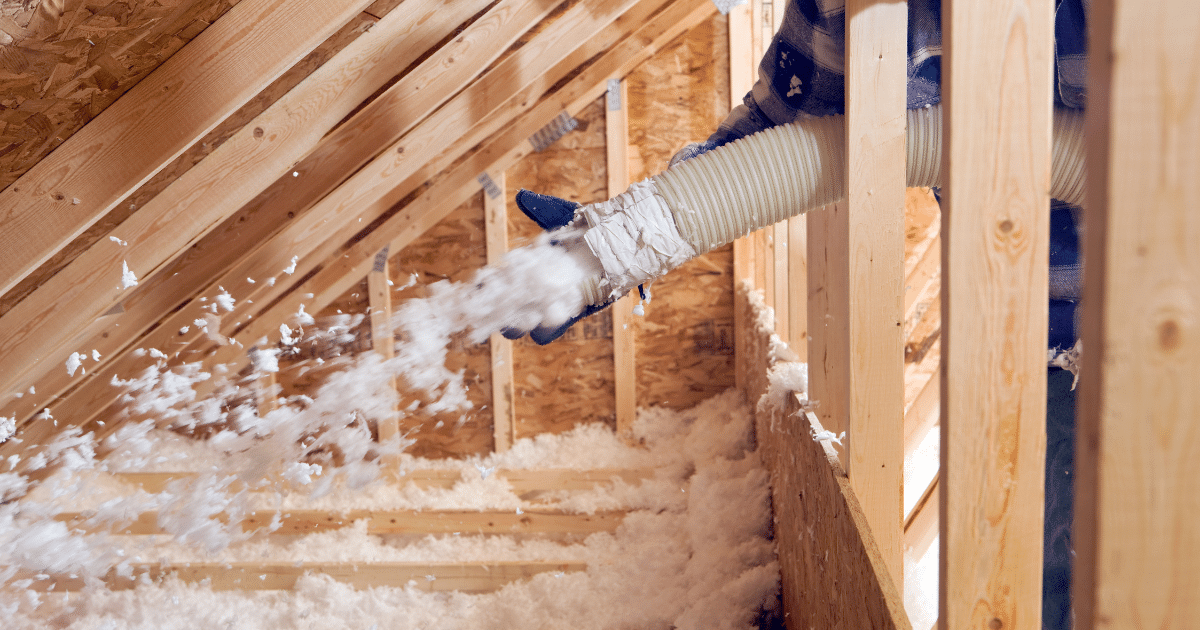
  • How It Works: Installed using specialized equipment that blows the materials into hard-to-reach areas, ensuring even coverage.
  • Pros: Excellent for filling gaps and irregularly shaped spaces, and it’s an exo-friendly option.
  • Best For: Attics with complex layouts, tight corners, or spaces where existing insulation needs supplementing.

3. Spray Foam Insulation

  • What It Is: A liquid material that expands upon application to create a dense, airtight barrier.
  • How It Works: The foam fills cracks, crevices, and gaps, forming a seamless layer of insulation that also acts as a vapor barrier.
  • Pros: Offers the highest R-value per inch, provides superior air sealing, and reduces drafts dramatically.
  • Best For: Homes with high energy-loss areas or those needing long-term insulation performance.

4. Radiant Barriers

  • What It Is: Highly reflective insulation, usually made from aluminum foil, that reflects radiant heat rather than absorbing it.
  • How It Works: Installed on the underside of your roof, radiant barriers reduce heat by reflecting sunlight away from the home.
  • Pros: Particularly effective in reducing cooling costs in hot climates by keeping attics cooler.
  • Best For: Homes in warmer climates or as a supplement to traditional insulation types.

Factors That Influence Energy Savings

According to the Environmental Protection Agency (EPA), upgrading attic insulation can reduce heating costs by up to 15%. Your actual savings depend on several factors, including:

  • Condition of Current Insulation: Upgrading from poor-quality insulation provides the greatest savings.
  • Local Climate: Homes in colder regions, like Tulsa’s winter season, see higher reductions in heating costs.
  • Home Size: Larger homes lose more energy, increasing potential savings from insulation upgrades.
  • Heating System: High-efficiency furnaces combined with modern insulation can improve savings by 20 to 25%, while older systems may limit savings to 10 to 12%.
  • Installation Quality: Professional installation ensures there are no gaps or weak spots for heat to escape.
  • Insulation Type: Higher R-value materials typically result in greater long-term energy savings.

Why Professional Installation Matters

While some types of insulation are DIY-friendly, professional installation is often the best choice for long-term results. Trained experts can:

  • Assess your home’s unique needs.
  • Recommend the most effective insulation materials.
  • Ensure proper installation without gaps or weak points.

This guarantees maximum energy savings and comfort for your home.

Save on Heating Costs with ProThermal Heating & Cooling

Trust ProThermal for all your attic insulation needs. Insulation is only half the battle. To ensure your home stays warm all winter, combine great insulation with a reliable heating system. If you’re experiencing uneven temperatures, schedule your furnace repair in Tulsa or the surrounding areas today.
Our certified technicians can evaluate your current insulation, recommend cost-effective solutions, and ensure proper installation for lasting results.

Ready to start saving? Call (918) 807-8364 to schedule your attic insulation service and take the first step toward a warmer, more energy-efficient home.

Carbon Monoxide Statistics You Can’t Ignore

Carbon monoxide (CO) is often called “the silent killer” for a reason. This odorless, colorless gas poses a significant danger to homeowners, yet its risks are often underestimated. Understanding the impact of carbon monoxide and how to protect your home is crucial for your family’s safety.

At ProThermal Heating and Cooling, we’ve seen firsthand how carbon monoxide can seep into homes through HVAC systems and other sources. Here’s what every homeowner should know about this invisible threat.

Carbon Monoxide Statistics Every Homeowner Should Know

Carbon monoxide exposure can lead to serious illness or even death. The following statistics from the U.S. Consumer Product Safety Commission highlight its dangers:

  • Over 200 deaths annually in the U.S. result from CO poisoning caused by non-vehicular sources such as gas ranges, water heaters, and space heaters.
  • Portable heaters are the second-leading cause of CO deaths, emphasizing the risks of improper heating practices.
  • Thousands of emergency room visits are attributed to potential carbon monoxide poisoning each year.

These numbers are a stark reminder of the importance of CO prevention and detection in your home.

How To Prevent Carbon Monoxide Poisoning at Home

Protecting your family from carbon monoxide is straightforward with the right precautions. Follow these guidelines:

  • Inspect Fuel-Burning Appliances: Schedule professional inspections for gas furnaces, water heaters, and other fuel-burning appliances to check for leaks.
  • Avoid Misuse of Equipment: Never use a gas oven to heat your home or operate gasoline-powered equipment like charcoal grills or portable generators indoors.
  • Install CO Detectors: Place quality carbon monoxide detectors throughout your home to provide early warnings of dangerous gas levels.

Symptoms of Carbon Monoxide Exposure

Recognizing the symptoms of carbon monoxide poisoning can save lives. If you or your family experience any of the following, leave your home immediately and seek medical help:

  • Headache
  • Dizziness
  • Nausea
  • Confusion
  • Loss of consciousness

Carbon monoxide poisoning can progress quickly, so immediate action is critical.

Common Sources of Carbon Monoxide in Homes

Many know that CO gas is a byproduct of burning gasoline, which is why you can’t leave a car running in an enclosed space like a garage. However, you don’t have to burn gasoline, in particular, to produce CO gas. Combusting kerosene, charcoal, oil, wood, natural gas, propane, and coal makes it, too.

Other sources of carbon monoxide include:

  • Lawn mowers
  • Portable generators
  • Gas furnaces
  • Gas fireplaces
  • Water heaters
  • Power washers

Why Your Home Needs a Carbon Monoxide Detector

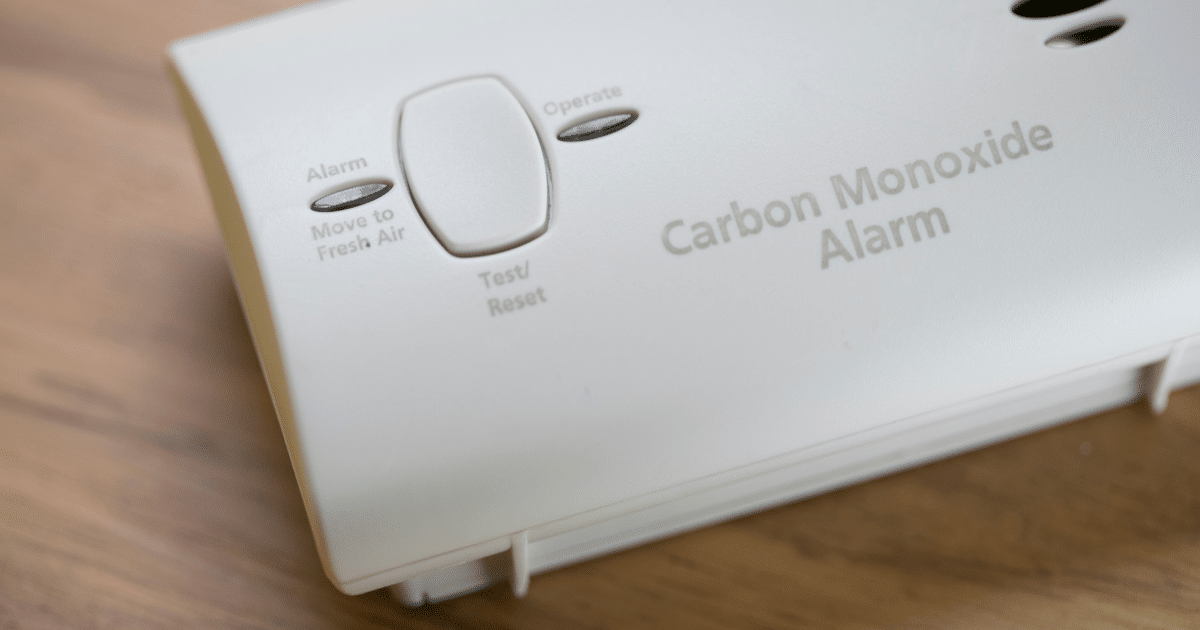
A carbon monoxide detector is your best defense against this silent threat. These devices function much like smoke alarms, sounding an alert when they detect CO in the air.

For maximum protection:

  • Install detectors on every level of your home, including bedrooms and basements.
  • Test alarms regularly to ensure they are working properly.
  • Replace the batteries in your detectors every six months or as recommended by the manufacturer.

Stay Safe With ProThermal Heating and Cooling

Understanding carbon monoxide statistics underscores the importance of prevention, but awareness alone isn’t enough. At ProThermal, we offer comprehensive heating services and indoor air quality solutions to protect your family.

From professional inspections to carbon monoxide detector installations, our team has the expertise you can trust. Call us today to ensure your home stays safe and healthy year-round.

3 HVAC Upgrades to Reduce Heating Costs

Winter is well on its way, and as temperatures drop, keeping your home warm can quickly become expensive. The good news? A few HVAC upgrades can significantly lower your heating costs without taking away from your comfort. With the right improvements, you’ll enjoy a cozier home and lower utility bills all season long.

Here are three cost-saving tips that ProThermal Heating and Cooling recommends for Oklahoma homeowners.

What Causes Heating Costs to Rise in Winter?

Many homeowners see their heating bills spike during the colder months, often due to:

  • Outdated equipment
  • Lack of maintenance
  • Poor insulation

Fortunately, you can consult with an HVAC professional to inspect your heating equipment, and recommend upgrades to improve your home’s efficiency and comfort.

How Outdated HVAC Systems Drive Up Costs

Even well-maintained systems lose efficiency over time. As technology advances, newer models are designed to be far more energy-efficient than their predecessors. If your HVAC system is over 10-15 years old, you may be paying more than necessary to keep your home warm.

Upgrading components like your furnace or heat pump can lead to substantial savings, both immediately and in the long run.

3 HVAC Upgrades to Reduce Heating Costs

1. Install a Smart Thermostat

Smart thermostats, like the popular Nest or Ecobee models, allow you to program temperature settings based on your daily schedule. These devices can:

  • Automatically lower the temperature when you’re asleep or away from home.
  • Provide energy usage reports to help you identify savings opportunities.
  • Be controlled remotely via smartphone, giving you flexibility and control over your heating system.

2. Switch to Zoned Heating

Whole-house heating wastes energy by warming areas you’re not using. Zoned heating systems let you divide your home into sections, each with its own temperature control. For example, you can keep living spaces warm while lowering the temperature in unused bedrooms.

3. Upgrade to Energy-Efficient HVAC Equipment

Modern heating systems with higher Seasonal Energy Efficiency Ratio (SEER) ratings use less fuel or electricity to produce the same amount of heat. Upgrading to a high-efficiency furnace or heat pump can dramatically reduce your monthly heating bills while improving overall comfort.

What Savings Can You Expect From HVAC Upgrades?

  • Immediate Savings: Switching to a smart thermostat or zoned heating system allows you to start saving on energy costs as soon as you adjust your settings.
  • Long-Term Savings: Replacing outdated equipment with energy-efficient models can lower your monthly heating bills for years to come. Upgraded insulation and other efficiency improvements further reduce costs by preventing heat loss.

How to Choose the Right HVAC Upgrades for Your Home

When deciding on HVAC upgrades, you’ll want to consider:

  • The initial investment for equipment and installation.
  • The potential energy savings over time to justify the cost.
  • Your home’s unique needs as it comes to size, layout, and typical heating habits.

Call ProThermal Heating and Cooling for an Efficiency Boost

Winter doesn’t have to come with sky-high energy bills – let ProThermal help you make the right choices for your home.

Call us today at (918) 807-8364 to schedule a consultation with one of our trained HVAC technicians!

How To Fix Uneven Heating and Cooling in Your Home

Dealing with uneven heating and cooling throughout your home is undoubtedly frustrating, but the good news is that there are multiple ways to resolve it. Knowing what causes these issues and how to address them can help you maintain optimal comfort in your residence.

At ProThermal Heating and Cooling, our licensed HVAC professionals bring years of experience serving the Tulsa, OK area. Below, we cover the top solutions to help you address uneven heating and cooling.

Common Causes of Uneven Heating and Cooling

Temperature imbalances not only affect comfort but can also lead to higher utility bills. Common reasons for this issue include:

  • Leaky ductwork
  • Blocked or obstructed air vents
  • Drafts around windows and doors
  • Thermostats giving inaccurate readings

Tips on Fixing Uneven Heating and Cooling

While some issues require professional help, there are a few simple troubleshooting steps you can try to improve airflow and comfort in your home.

Air Balancing

Air balancing involves adjusting the vents in different rooms to direct airflow where it’s needed most. For example, closing vents in rooms that are rarely used can help redirect conditioned air to the areas you spend the most time in.

Change the Air Filter

A dirty air filter can restrict airflow, causing uneven temperatures. Replace your HVAC filter at least once every three months, or when needed, to ensure consistent airflow throughout your home.

Adjust Your Thermostat

Switching your thermostat’s setting from “AUTO” to “ON” can help circulate air more evenly throughout your home, even when the heating or cooling cycle is off.

When To Call an HVAC Professional

Some issues, like poor insulation or improperly sized HVAC systems, require a professional’s expertise. Here are some situations where it’s best to call in an expert:

  • Ductwork Inspection. Leaky or poorly installed ductwork can lead to temperature imbalances, excess dust, and high humidity.
  • HVAC System Upgrade. If your system is outdated or improperly sized, it may struggle to maintain consistent temperatures, making your home uncomfortable and less energy efficient.
  • Zoned Heating and Cooling. A zoned HVAC system allows you to control the temperature in different areas of your home instead of using one thermostat for the whole property.

Get Expert Help From ProThermal

If you’re dealing with uneven heating and cooling in the Tulsa, OK area, ProThermal Heating and Cooling has the solutions you need.

From air sealing to installing zoned heating systems, we’re here to help. Call us today (918) 807-8364 to schedule an appointment and start enjoying a more comfortable home.

Schedule Service

[forminator_form id="101"]