

Get Pre-Approved
Skip to main content

How Long Does It Take For Bad Air Quality To Affect You?

How long does it take for bad air quality to affect you? In many cases, poor air quality can begin affecting people within just a few hours, especially when pollution levels are high or someone already has asthma, allergies, or respiratory conditions. Some people notice symptoms the same day, while others may feel the effects more strongly after one or two days of continued exposure.

Indoor air quality is especially important because most homeowners spend the majority of their time inside. In Tulsa, OK, poor indoor air quality can affect comfort, health, and even HVAC system performance if issues are not addressed.

How Quickly Can Bad Air Quality Cause Symptoms?

The speed of symptoms depends on several factors, including the type of pollutants, how concentrated they are, and an individual’s overall health.

Some people experience symptoms within hours, including:

  • Coughing

  • Headaches

  • Throat irritation

  • Sneezing

  • Eye irritation

  • Trouble breathing

People with asthma, allergies, or other respiratory conditions are often affected faster and more severely.

Common Causes of Poor Indoor Air Quality

Indoor air quality problems are often caused by pollutants trapped inside the home. Common sources include:

  • Dust and pet dander

  • Mold spores

  • Dirty HVAC filters

  • Poor ventilation

  • Smoke or chemical fumes

  • Excess humidity

In Tulsa, OK, homes that stay closed tightly during extreme weather can trap airborne pollutants indoors, making air quality issues worse.

How HVAC Systems Affect Indoor Air Quality

Your HVAC system plays a major role in circulating and filtering the air inside your home. If the system is dirty or poorly maintained, it can spread contaminants instead of removing them.

Dirty filters, leaky ductwork, poor ventilation, and mold inside the system can all reduce indoor air quality and make symptoms worse.

Ways to Improve Indoor Air Quality

Improving indoor air quality often starts with proper HVAC maintenance and filtration. Helpful solutions may include:

  • Replacing air filters regularly

  • Scheduling HVAC maintenance

  • Improving ventilation

  • Installing air purification systems

  • Controlling indoor humidity levels

Final Thoughts

How long does it take for bad air quality to affect you? Poor air quality can begin affecting people within hours and may lead to ongoing health and comfort issues over time. Improving indoor air quality with proper filtration, ventilation, and HVAC maintenance can help create a healthier and more comfortable home environment.

Read our FAQ: How Long Does It Take For Bad Air Quality To Affect You?

Watch our video:

Breathe cleaner air and protect your home comfort year-round. Schedule your indoor air quality evaluation today with ProThermal Heating and Cooling.

Indoor Air Quality in Tulsa Homes During Summer: What You Need to Know

Indoor air quality in Tulsa, OK, is an important concern during the summer months. Indoor pollutants can negatively impact your health and comfort, and place unnecessary strain on HVAC systems. By taking proactive steps to improve IAQ, you protect your family’s health, enhance comfort, and boost HVAC efficiency, making your home a healthier, more enjoyable place this summer.

Poor Indoor Air Quality in Tulsa, OK: A Threat to Your Health & Comfort

Tulsa’s sunny days encourage time outdoors, but inside, summer heat and humidity can make breathing more difficult. Sealed homes trap pollutants like dust, moisture, and chemical vapors, affecting your health and comfort. By addressing these factors, you ensure a safer environment for your loved ones.

Common Indoor Air Pollutants Found in Tulsa Homes

Summer heat and humidity amplify certain pollutants. Here’s what’s common in Tulsa homes:

  • Mold spores and moisture-related contaminants – High-humidity pockets and occasional leaks can trigger mold growth, leading to odors and respiratory irritation.
  • VOCs (volatile organic compounds) – Emitted by cleaning products, paints, and some furniture. VOCs can irritate the eyes, nose, and throat.
  • Pet dander and pollen – Allergens accumulate indoors, especially if windows are open or HVAC filters are not optimized.
  • Combustion byproducts from gas appliances – Poorly vented stoves, water heaters, or furnaces release carbon monoxide and other gases.

Aging plumbing and ducts, along with Tulsa’s climate, make these pollutants more persistent here.

Short-Term and Long-Term Health Effects

The effects of poor IAQ can be subtle, but they are serious. The Asthma and Allergy Foundation of America (AAFA) warns that air pollution contributes to asthma, lung diseases, increased hospital visits, and even early death. (Source: Asthma and Allergy Foundation of America).

Short-term symptoms include:

  • Headaches and fatigue
  • Sinus irritation and congestion
  • Allergy flare-ups

Long-term exposure can increase the risk of:

  • Asthma development or worsening
  • Chronic bronchitis and lung issues
  • Cardiovascular stress

Children, seniors, and those with weak immune systems are most at risk. Improving indoor air quality enhances your family’s respiratory health and quality of life year-round.

Advanced Indoor Air Quality Solutions That Actually Work

Professionals in Tulsa, OK, use proven air quality solutions that can be integrated with your HVAC system to protect your home.

Here are some advanced IAQ solutions for Tulsa homes:

High-Efficiency Air Filtration Systems

Upgrading your HVAC filter is a valuable investment. Filters are rated by MERV; higher ratings capture smaller particles, while HEPA filtration removes even finer particles.

Benefits include:

  • Capturing fine dust, allergens, and pollen
  • Reducing strain on your HVAC system
  • Improving air quality throughout your home

High-efficiency filtration matters more in Tulsa summers. Pollen is high and wildfire smoke drifts in during this season.

Whole-Home Air Purification

Air purification systems that use UV light, ionization, or activated carbon remove contaminants efficiently. According to Environmental Engineering Research (EEER), UV-C lamps combined with MERV filters reduce airborne micro-organisms. (Source: Environmental Engineering Research).

These technologies target:

  • Bacteria and viruses
  • Odors
  • VOCs

Though some view purification as a luxury, it’s vital for cleaner air, especially for people with allergies or respiratory issues.

Humidity Control and Mold Prevention

Balanced humidity is crucial for comfort and health. Excessive humidity drives mold. Too little humidity irritates skin and airways. Solve these challenges with practical solutions like:

  • Dehumidifiers integrated with your HVAC system
  • Improved ventilation for moisture-prone areas
  • Professional inspections of plumbing and ductwork to prevent hidden leaks

According to the EPA, keeping indoor humidity between 30% and 50% reduces the levels of airborne allergens and dust. (Source: Biological Contaminants and Indoor Air Quality Guide)

Professional IAQ Testing and Monitoring

DIY air quality monitors are helpful. However, they don’t replace expert testing. Professionals measure IAQ indicators such as:

  • Particulates
  • VOC levels
  • Carbon monoxide

Professionals deliver data-driven recommendations to ensure every solution is effective and safe for your family. Invest in professional guidance to achieve lasting peace of mind.

How We Improved Indoor Air Quality for a Tulsa Family

Steph L., a Tulsa homeowner, felt discomfort due to cooling issues and outdated HVAC components. She worried her home would remain uncomfortable throughout the summer. To address this, she contacted our team for assistance.

Our team inspected her system, addressed her questions, and replaced necessary components to resolve the issues. Steph later wrote in her Google review, “Dalton, Tristan, and Braden were all wonderful! Absolutely beautiful work, and now I’m cold as heck here.” You can read her full review here.

With updated HVAC components and advanced filtration, Steph enjoys less dust and allergens. She also has steadier airflow and a fresher, more comfortable home.

Benefits of Professional Indoor Air Quality Solutions in Tulsa, OK

Investing in professional IAQ services offers tangible benefits:

  • Improved respiratory health and reduced allergy symptoms
  • Fewer asthma flare-ups and respiratory infections
  • Enhanced indoor comfort and consistent airflow
  • Odor reduction and fresher-smelling air
  • Increased HVAC efficiency and longer system lifespan
  • Lower energy and medical costs over time
  • Peace of mind knowing your air meets recognized standards.

Professional IAQ solutions protect your family’s health and enhance your home’s comfort year-round.

Get Precision IAQ Improvements Tailored for Your Needs

Enjoy comfort, efficiency, and healthier air with Prothermal Heating and Cooling. Our technicians provide IAQ testing, filtration, purification, and system upgrades. Choose our membership plans for year-round comfort and safety, or explore our comprehensive AC services in Tulsa.

Make Tulsa summers more enjoyable, comfortable, and healthy with tailored IAQ solutions. Contact Prothermal Heating and Cooling for a free consultation today.

FAQs

Why does indoor air quality get worse in Tulsa homes during the summer?

High heat and humidity trap pollutants indoors, while sealed homes limit ventilation.

What are the most common indoor air pollutants in summer in Tulsa?

Mold, VOCs, pet dander, pollen, and combustion byproducts from gas appliances.

How does high humidity affect indoor air quality in Oklahoma homes?

It promotes mold and dust mites and increases discomfort.

Do air purifiers really help with indoor air quality in summer?

Yes—modern purifiers remove allergens, VOCs, and bacteria, supporting better respiratory health.

How often should I change my HVAC air filter during the Tulsa summer?

Every 1–3 months, depending on filter type, household size, and allergy levels.

How long does it take to replace an AC system in Tulsa?

Typically 1–2 days for standard systems, including inspection, installation, and setup.


References

  1. AAFA. (n.d.). Air Pollution and Asthma | AAFA.org. Asthma and Allergy Foundation. Retrieved March 28, 2026, from https://aafa.org/asthma/asthma-triggers-causes/air-pollution-smog-asthma/ 
  2. EEER. (2023). Improvement of indoor air quality using a smart gate that can lessen viral aerosol (MS2 virus) and particulate matter (PM): Experimental findings. Environ Eng Res, 29(2), 8. https://www.eeer.org/journal/view.php?number=1518 
  3. EPA. (2026, March 18). Biological Contaminants and Indoor Air Quality | US EPA. EPA. Retrieved March 28, 2026, from https://www.epa.gov/indoor-air-quality-iaq/biological-contaminants-and-indoor-air-quality 

How To Control Dust, Allergies, and Humidity in Tulsa Homes

Tulsa’s seasonal humidity and airborne allergens can make it hard to maintain a comfortable home. If you’re dealing with dust buildup, allergy symptoms, or excess moisture, improving your indoor air quality should be a priority.

At ProThermal Heating and Cooling, we help Tulsa homeowners breathe easier year-round. In this guide, we’ll explain how to control dust, allergies, and humidity in your home so you can enjoy cleaner, healthier air.

Why Tulsa’s Climate Affects Indoor Air Quality Air Quality Challenge

Tulsa experiences hot, humid summers and cold, dry winters, leading to trapped allergens and fluctuating moisture levels inside homes. These conditions contribute to:

  • Increased dust and pollen indoors when homes stay sealed for temperature control.
  • Humidity spikes in summer, creating the perfect environment for mold and dust mites.
  • Dry indoor air in winter, which can irritate sinuses and worsen allergy symptoms.

Managing these factors is essential for reducing allergens, improving air circulation, and maintaining proper humidity.

How To Reduce Allergens and Dust in Your Home

Dust and allergens settle on surfaces, furniture, and HVAC filters, affecting your air quality. Use these strategies to keep them under control:

  • Upgrade to HEPA Air Filters: Standard filters miss microscopic allergens, but HEPA filters capture 99.97% of particles, including dust mites, pet dander, and pollen.
  • Dust and Vacuum Strategically: Use a damp cloth for dusting to prevent particles from becoming airborne. Vacuum carpets and rugs at least twice a week with a HEPA-filtered vacuum.
  • Limit Pollen Exposure: Keep windows closed during high pollen seasons, and establish a no-shoes policy to prevent tracking allergens inside.
  • Declutter Your Space: Fewer objects in your home mean fewer places for dust to settle and accumulate.

“Should I Get an Air Purifier?”

If your home struggles with persistent allergens or odors, an air purifier can make a huge difference. Look for models with HEPA filtration and activated carbon layers for the best results.

How To Manage Humidity in Tulsa Homes

Humidity control is essential for preventing mold growth, dust mites, and discomfort. Tulsa’s climate makes it necessary to regulate indoor moisture levels, especially in bathrooms, basements, and kitchens.

  • Keep humidity between 30% to 50%   Use hygrometers to monitor levels and adjust with a humidifier or dehumidifier as needed.
  • Use a dehumidifier in problem areas – If your home feels sticky or muggy, a whole-home or portable dehumidifier can extract excess moisture.
  • Run exhaust fans Ventilation is key for removing humidity in kitchens, bathrooms, and laundry rooms.
  • Try moisture-absorbing plants – Species like peace lilies naturally filter air and help regulate humidity levels.

“Should I Invest in a Whole-Home Dehumidifier?”

If humidity is a constant issue, a whole-home dehumidifier works with your HVAC system to keep moisture under control.

Recommendation: The Aprilaire 1850 Pro Dehumidifier is ideal for Tulsa homes, preventing mold, musty odors, and excess moisture buildup.

HVAC Maintenance for Cleaner Air

Even the best air purifiers and dehumidifiers can’t replace a well-maintained HVAC system. Keeping your system clean and efficient helps trap allergens, regulate humidity, and improve airflow.

  • Replace HVAC filters every 1-3 months to prevent dust and debris buildup.
  • Schedule professional duct cleaning if you notice excess dust, odors, or allergy symptoms.
  • Seal duct leaks to keep contaminants from entering your air supply.

Regular HVAC maintenance ensures your system isn’t circulating dirty air throughout your home.

Breathe Easier With ProThermal Heating and Cooling

Controlling dust, allergies, and humidity in Tulsa is easier with the right HVAC solutions. At ProThermal, we provide indoor air quality services, from HVAC tune-ups to recommendations from the industry’s best practices.

Call (918) 212-0258 today to learn how we can help you control dust, allergies, and humidity in YOUR Tulsa home!

Carbon Monoxide Statistics You Can’t Ignore

Carbon monoxide (CO) is often called “the silent killer” for a reason. This odorless, colorless gas poses a significant danger to homeowners, yet its risks are often underestimated. Understanding the impact of carbon monoxide and how to protect your home is crucial for your family’s safety.

At ProThermal Heating and Cooling, we’ve seen firsthand how carbon monoxide can seep into homes through HVAC systems and other sources. Here’s what every homeowner should know about this invisible threat.

Carbon Monoxide Statistics Every Homeowner Should Know

Carbon monoxide exposure can lead to serious illness or even death. The following statistics from the U.S. Consumer Product Safety Commission highlight its dangers:

  • Over 200 deaths annually in the U.S. result from CO poisoning caused by non-vehicular sources such as gas ranges, water heaters, and space heaters.
  • Portable heaters are the second-leading cause of CO deaths, emphasizing the risks of improper heating practices.
  • Thousands of emergency room visits are attributed to potential carbon monoxide poisoning each year.

These numbers are a stark reminder of the importance of CO prevention and detection in your home.

How To Prevent Carbon Monoxide Poisoning at Home

Protecting your family from carbon monoxide is straightforward with the right precautions. Follow these guidelines:

  • Inspect Fuel-Burning Appliances: Schedule professional inspections for gas furnaces, water heaters, and other fuel-burning appliances to check for leaks.
  • Avoid Misuse of Equipment: Never use a gas oven to heat your home or operate gasoline-powered equipment like charcoal grills or portable generators indoors.
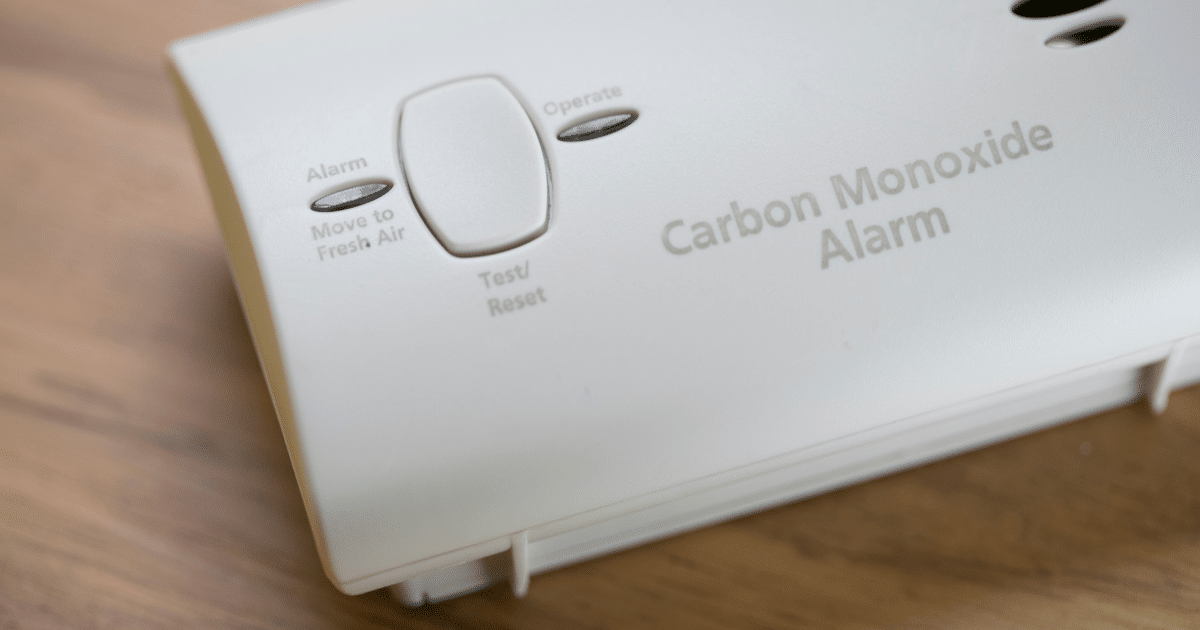
  • Install CO Detectors: Place quality carbon monoxide detectors throughout your home to provide early warnings of dangerous gas levels.

Symptoms of Carbon Monoxide Exposure

Recognizing the symptoms of carbon monoxide poisoning can save lives. If you or your family experience any of the following, leave your home immediately and seek medical help:

  • Headache
  • Dizziness
  • Nausea
  • Confusion
  • Loss of consciousness

Carbon monoxide poisoning can progress quickly, so immediate action is critical.

Common Sources of Carbon Monoxide in Homes

Many know that CO gas is a byproduct of burning gasoline, which is why you can’t leave a car running in an enclosed space like a garage. However, you don’t have to burn gasoline, in particular, to produce CO gas. Combusting kerosene, charcoal, oil, wood, natural gas, propane, and coal makes it, too.

Other sources of carbon monoxide include:

  • Lawn mowers
  • Portable generators
  • Gas furnaces
  • Gas fireplaces
  • Water heaters
  • Power washers

Why Your Home Needs a Carbon Monoxide Detector

A carbon monoxide detector is your best defense against this silent threat. These devices function much like smoke alarms, sounding an alert when they detect CO in the air.

For maximum protection:

  • Install detectors on every level of your home, including bedrooms and basements.
  • Test alarms regularly to ensure they are working properly.
  • Replace the batteries in your detectors every six months or as recommended by the manufacturer.

Stay Safe With ProThermal Heating and Cooling

Understanding carbon monoxide statistics underscores the importance of prevention, but awareness alone isn’t enough. At ProThermal, we offer comprehensive heating services and indoor air quality solutions to protect your family.

From professional inspections to carbon monoxide detector installations, our team has the expertise you can trust. Call us today to ensure your home stays safe and healthy year-round.

Schedule Service

[forminator_form id="101"]